
Keywords are the backbone of any successful SEO strategy. They help search engines understand your content.
Choosing the right keywords can boost your website’s visibility. It can drive more traffic to your site.
But how do you find the best keywords for your website? This guide will show you how.
We’ll explore keyword types, research tools, and strategies. You’ll learn how to align keywords with your business goals.
Understanding keyword trends is crucial. It helps you stay ahead of the competition.
We’ll also cover industry-specific keyword tips. Whether you’re a photographer or a real estate agent, we’ve got you covered.
Avoid common mistakes and optimize your keyword strategy. This will ensure long-term SEO success.
Let’s dive into the world of SEO keywords and unlock your website’s potential.
Table of Contents
- Why Keywords Matter for SEO Success
- Understanding Keyword Types: Short-Tail, Long-Tail, and LSI
- How to Find the Best Keywords for Your Website
- Building a Winning SEO Keyword Strategy
- Best SEO Practices for Keyword Optimization
- Industry-Specific SEO Keyword Guides
- Advanced Keyword Analysis Techniques
- Keyword Optimization Guide: Step-by-Step Checklist
- Common Keyword Mistakes and How to Avoid Them
- Future of SEO Keywords: Trends and Predictions
- Conclusion: Mastering Keywords for Long-Term SEO Growth
- Frequently Asked Questions about Best Keywords for SEO Success
Why Keywords Matter for SEO Success
Keywords are the link between users’ queries and your website content. They guide search engines in ranking your pages.
Effective keywords align with what your audience searches for. This alignment boosts your site’s relevance and visibility.
Incorporating the right keywords can increase traffic and engagement. They help attract visitors with genuine interest.
Importance of Keywords:
- Improve search engine rankings.
- Drive targeted traffic to your site.
- Enhance user experience by matching intent.
Optimizing keywords also aids in conversion. Targeted visitors are more likely to take desired actions.
Using keywords correctly impacts your entire digital strategy. They influence everything from content creation to marketing campaigns.
By prioritizing keyword research, you lay the foundation for successful SEO. It’s not just about using popular terms. It’s about understanding intent and staying relevant over time.
Understanding Keyword Types: Short-Tail, Long-Tail, and LSI
Different keyword types serve various purposes in SEO strategies. Understanding them enhances your ability to optimize content effectively.
Short-tail keywords typically consist of one or two words. They are broad and highly competitive. For example, “shoes” or “digital cameras.”
Long-tail keywords are more specific, usually containing three or more words. They have lower competition but higher conversion rates. An example is “running shoes for flat feet.”
Latent Semantic Indexing (LSI) keywords are conceptually related terms. Search engines use them to understand content context. They support your main keywords.
Keyword Types Overview:
- Short-tail: Broad, high competition.
- Long-tail: Specific, lower competition, higher conversion.
- LSI keywords: Related terms providing context.
Each keyword type plays a unique role in shaping search results. They collectively support your content’s relevance and depth.
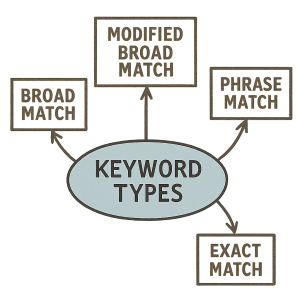
Balancing these keyword types in your strategy is vital. It ensures your content reaches wide but also targeted audiences. This approach boosts your potential for higher rankings and engagement.
How to Find the Best Keywords for Your Website
Finding the best keywords for your website requires a strategic approach. This ensures your SEO efforts translate into tangible results.
Start by identifying topics relevant to your business. Think about what your potential customers might search for when looking for your products or services.
Next, brainstorm a list of potential keywords. Write down all related words and phrases that come to mind. Be thorough in this initial ideation phase.
Once you have a list, narrow it down using keyword research tools. These tools provide data on search volume and competition, helping you prioritize.
Essential Steps:
- Identify relevant topics.
- Brainstorm potential keywords.
- Use keyword research tools.
Consider the searcher’s intent. Determine if users seek information, transaction, or navigation. Align your keywords with these intents to meet audience needs better.
Tools to Consider:
- Google Keyword Planner
- SEMrush
- Ahrefs
Check your competitors’ keywords. This can reveal opportunities where your site can compete. Avoid overcrowded markets by seeking niches.
A well-rounded keyword list boosts your SEO and content strategy. Stay flexible, updating your list as markets and trends change.
Using Keyword Research Tools Effectively
Keyword research tools are indispensable in finding the best SEO keywords. They transform raw ideas into actionable data.
Start with Google Keyword Planner. It offers insights into keyword search volumes and forecasts potential traffic.
SEMrush and Ahrefs provide comprehensive competitive analysis. These tools show which keywords competitors rank for.
Suggested Actions:
- Use Google Keyword Planner for traffic forecasts.
- Leverage SEMrush for competitive insights.
- Analyze Ahrefs data for keyword opportunities.
When using these tools, focus on long-tail keywords. They are less competitive and more targeted, leading to higher conversion rates.
Integrate tool findings with your knowledge of audience behavior. This combined approach refines your keyword strategy.
Analyzing Keyword Competition and Search Volume
Understanding keyword competition is crucial to setting realistic expectations. It highlights the effort needed to rank for specific terms.
Evaluate search volume data to gauge interest. High search volume indicates popular terms but often means higher competition.
Key Considerations:
- Analyze competition level for each keyword.
- Review search volume to assess demand.
- Look for a balance between volume and competition.
Use tools like SEMrush or Ahrefs to check keyword difficulty scores. These scores help determine the feasibility of ranking.
Seek out keywords with moderate competition and reasonable search volumes. This strategy ensures you target manageable opportunities.
Remaining adaptable is vital. Monitor changes in your niche and adjust keywords accordingly. This adaptability keeps your SEO efforts relevant.
Building a Winning SEO Keyword Strategy
Creating a successful SEO keyword strategy demands a structured and thoughtful approach. Begin by setting clear objectives for your SEO campaign. Define what you hope to achieve, such as increased traffic or better engagement.
Next, compile a refined list of keywords that align with these goals. Prioritize keywords based on relevance, competition, and potential impact. This ensures you focus on the most promising opportunities.
Critical Steps in Strategy Development:
- Define SEO goals.
- Prioritize keywords with potential impact.
- Evaluate performance regularly.
Maintain flexibility to adapt to new trends and changes in your industry. Regularly review keyword performance and modify strategies based on what works.
Include both short-tail and long-tail keywords in your strategy. This diverse mix targets both broad and niche audiences, enhancing your reach and engagement.
Aligning Keywords with Search Intent
Understanding search intent is vital for effective keyword alignment. Recognize the different intentions users have when searching: informational, transactional, or navigational.
Use your knowledge of customer behavior to map keywords to these intents. Consider user motivations and needs to refine your keyword choices.
Consider Intent Types:
- Informational: Seeking knowledge.
- Transactional: Ready to buy.
- Navigational: Looking for specific sites.
This strategic alignment improves user satisfaction and increases conversion rates. Meeting search intent leads to higher quality engagements and better SEO outcomes.
Tracking Keyword Trends and Adapting Your Strategy
Stay informed about the evolving trends in keywords to keep your SEO strategy relevant. Tools like Google Trends help track the rising and falling popularity of specific searches.
Regular analysis of these trends aids in adapting your keyword list. This practice ensures your content remains aligned with what users currently seek.
Adapting Your Strategy:
- Monitor trends using Google Trends.
- Update keywords based on current data.
- Re-evaluate strategy quarterly.
Incorporate these insights into your content plan. Timely adjustments to your strategy can capitalize on emerging interests and outperform competitors stuck in outdated patterns.
Best SEO Practices for Keyword Optimization
Keyword optimization is a crucial element of SEO success. Begin by focusing on user experience; content should be meaningful and easily accessible. Place keywords strategically within your site to enhance readability and engagement.
Keywords should appear naturally within titles, headers, and body text. This enhances relevance and context, improving search engine understanding. Don’t forget to use synonyms and related terms to diversify your keyword usage.
Essential Optimization Practices:
- Ensure keywords are relevant and contextual.
- Place keywords in titles, headers, body, and meta tags.
- Utilize synonyms for variety.
Regularly update your keyword strategies based on performance data. Analyzing metrics like bounce rates can provide insights into how well your keywords are performing. Adjust as necessary to maintain relevance in the ever-changing SEO landscape.
Keyword Placement: Where and How to Use Keywords
Knowing where and how to place keywords improves content performance. Start by embedding keywords in the URL and title tag. These are the first places search engines and users look for relevance.
Headers should naturally contain primary keywords, enhancing structure and clarity. Each paragraph should seamlessly include keywords without forcing them. This practice ensures readability and context.
Placement Strategies:
- Use keywords in URLs and titles.
- Integrate keywords into headers logically.
- Natural flow in paragraphs aids engagement.
Additionally, leverage keywords in image alt tags and meta descriptions. This broadens the context and strengthens SEO efforts. A balanced approach to placement fortifies your website’s visibility and user engagement.
Avoiding Keyword Stuffing and Maintaining Natural Flow
Overusing keywords can lead to stuffing, damaging your SEO performance. Maintain a natural flow by prioritizing clarity and coherence. Use variations and related terms to keep text dynamic and engaging.
Keep in Mind:
- Focus on content clarity and coherence.
- Avoid excessive repetition of keywords.
- Employ synonyms and related phrases for variety.
Striking the right balance between keyword usage and reader-friendliness enhances both user experience and search engine visibility.
Industry-Specific SEO Keyword Guides
Different industries demand unique SEO strategies. Tailoring your keyword choices to your specific field can drastically improve search engine rankings. Understanding industry dynamics is crucial for effective keyword selection.
A strategic keyword approach helps attract targeted audiences. Let’s explore focused keywords for various sectors. This ensures you’re reaching the right audience, enhancing visibility and engagement.
Best SEO Keywords for Photographers
Photographers thrive with visually appealing content. Optimize by selecting keywords that resonate with potential clients looking for services or inspiration.
Consider the following top keywords:
- “Portrait photography services”
- “Wedding photographer near me”
- “Best photography tips”
Use these keywords to guide blog topics, portfolio descriptions, and service offerings. This strategy connects you to clients searching for specific photography needs, enhancing your online presence.
Best SEO Keywords for Jewellery
For jewelers, enticing keywords highlight luxury and craftsmanship. Optimize by using terms that convey value and elegance to attract discerning buyers.
Try these keywords:
- “Custom engagement rings”
- “Luxury jewelry store”
- “Handmade jewelry collection”
Keywords like these should be integrated into product descriptions and category pages. They help potential buyers find exactly what they’re looking for, boosting both traffic and conversion rates.
Best SEO Keywords for Car Dealerships
Car dealerships benefit from location-centric and brand-specific keywords. These attract buyers actively searching for specific models or services.
Recommended keywords include:
- “Used cars near me”
- “Car dealerships in [city]”
- “Ford dealership offers”
Incorporate these into landing pages and service descriptions. They connect your dealership with localized and brand-aware customers who are ready to purchase.
Best SEO Keywords for Coaching
Coaches thrive by addressing needs directly. Keywords should reflect your expertise and the benefits clients can gain.
Consider these keyword strategies:
- “Personal development coaching”
- “Business coaching services”
- “Life coach near me”
Using these phrases in testimonials, service pages, and blog posts boosts your authority. It also helps attract motivated clients eager to transform their lives or businesses.
Best SEO Keywords for Real Estate
Real estate agents should focus on location and property type. These keywords help attract buyers seeking specific investments.
Suggested keywords are:
- “Homes for sale in [neighborhood]”
- “Real estate agents near me”
- “Luxury apartments for rent”
These keywords are ideal for property listings and local area guides. They ensure you’re reaching clients intent on buying or renting in your area.
Best SEO Keywords for Architects
Architects should focus on innovative design and project types. Keywords should reflect creativity and the scope of services offered.
Opt for these compelling keywords:
- “Modern architectural design”
- “Residential architects”
- “Sustainable building solutions”
Highlight these in portfolios and project descriptions. This connects you with clients seeking innovative design services tailored to their needs.
Best SEO Keywords for Interior Design
Interior designers should target keywords that emphasize style and experience. These should appeal to homeowners seeking professional design services.
Consider implementing:
- “Contemporary interior design ideas”
- “Interior designers near me”
- “Custom home décor solutions”
Integrate them into service pages and visual galleries. This approach can draw in clients looking for creative and personalized interior solutions.
Advanced Keyword Analysis Techniques
Advanced keyword analysis can sharpen your SEO effectiveness. It provides insights into what works and what doesn’t for your target audience. Deploying these techniques helps you discover untapped opportunities.
Focus on tools that reveal keyword trends and user behavior. These tools illuminate how potential customers search for solutions you offer. Leverage this data to pivot strategies effectively.
Key analysis techniques include:
- Identifying long-tail opportunities
- Evaluating search intent
- Assessing keyword difficulty
These strategies ensure your site remains competitive and relevant. They provide a roadmap for adapting to changes in search algorithms and user habits.
Competitor Keyword Analysis: Finding Gaps and Opportunities
Analyzing competitors’ keywords reveals gaps in your strategy. Understanding their strengths guides your content focus. This method helps uncover overlooked niche areas.
To perform this analysis, use specialized tools. These tools expose keywords your competitors rank for and their search volume. Adapt your strategy based on these insights.
Effective steps include:
- Identify top-performing competitor content
- Assess keyword overlap
- Discover high-impact keywords they’re missing
By understanding these elements, you position your site to capture market share. The goal is to fill voids and offer unique content your competitors lack.
Leveraging Keyword Data for Content Planning
Keyword data is a goldmine for content planning. It guides creators in developing topics that resonate with target audiences. This ensures content aligns with current search trends.
Use data-driven insights to tailor content strategies. Focus on what interests users most. Integrate keywords naturally into engaging narratives or informative articles.
Steps to leverage this data:
- Map keywords to content types
- Prioritize based on search volume
- Evaluate seasonal keyword variations
With this approach, your content consistently meets user demands. This not only improves engagement but also enhances visibility across search platforms.
Keyword Optimization Guide: Step-by-Step Checklist
Optimizing keywords is vital for SEO success. A structured approach ensures that keywords enhance your site’s visibility effectively. Follow this checklist to ensure your SEO strategy is robust.
Firstly, conduct thorough keyword research. Identify high-ranking and relevant keywords for your industry and audience. Use keyword research tools to expand your list of potential keywords.
Next, integrate these keywords naturally into your content. Position them in titles, headers, and throughout your text. Ensure the content remains engaging and readable for users.
Finally, monitor and refine your keyword strategy regularly. Keep an eye on keyword performance and make adjustments as needed. This proactive approach helps you maintain a competitive edge.
Key steps in the checklist:
- Research and select relevant keywords
- Place keywords effectively in content
- Review and adjust keyword strategy
By adhering to this checklist, you enhance the efficacy of your SEO efforts. This increases your chances of attracting and retaining your target audience.
Common Keyword Mistakes and How to Avoid Them
Keyword optimization can be tricky. Mistakes are common but avoidable. Avoid these pitfalls to improve your SEO efforts.
Overstuffing keywords is a critical error. This can lead to penalties and lower rankings. Instead, focus on a natural keyword flow. Another mistake is ignoring long-tail keywords which attract targeted traffic.
Finally, neglecting keyword intent can harm your strategy. Ensure your keywords align with user search intent to meet visitor needs effectively.
Common mistakes:
- Overstuffing keywords
- Ignoring long-tail keywords
- Neglecting search intent
Future of SEO Keywords: Trends and Predictions
The SEO landscape is ever-changing, and keyword trends are no different. As search engines evolve, so must our strategies.
Voice search is gaining popularity, altering keyword length and structure. Keywords must now accommodate natural language queries. Furthermore, artificial intelligence influences search results, highlighting the need for contextually relevant keywords.
Expect more emphasis on user intent and semantic search. Keywords will transition from individual words to phrases. Staying updated on these trends will ensure your keyword strategy remains effective.
Emerging trends:
- Voice search adaptation
- Integration of AI in search
- Focus on semantic search and user intent
Conclusion: Mastering Keywords for Long-Term SEO Growth
Effective keyword use is crucial to SEO success. By consistently refining your strategy and adapting to trends, you can enhance visibility.
Stay informed and flexible in your approach to ensure lasting growth. Commit to understanding your audience and the digital landscape. This insight will help you select keywords that resonate and perform well. This ongoing effort will support your website’s performance and your business’s online presence.
Frequently Asked Questions
An effective SEO keyword in 2026 aligns with search intent, topical relevance, and user needs, not just search volume. The best keywords clearly match what users are trying to accomplish and fit naturally into high-quality, helpful content.
To choose the best SEO keywords, start by identifying your audience’s questions, pain points, and goals. Use keyword research tools and AI insights to evaluate intent, competition, and relevance, then prioritize keywords that support long-term visibility rather than short-term traffic spikes.
Long-tail keywords generally perform better for SEO in 2026 because they attract more qualified traffic and convert at higher rates. Short-tail keywords can still be valuable for brand awareness, but long-tail phrases are more effective for rankings and AI-driven search results.
In 2026, it’s best to focus on one primary keyword and several closely related secondary keywords per page. Search engines reward pages that comprehensively cover a topic rather than those trying to rank for too many unrelated terms.
Yes—AI-generated content can rank well if it’s accurate, original, and genuinely helpful. Keywords should be used naturally within human-edited content that demonstrates expertise, clarity, and value, which are essential ranking factors in 2026.