
In the ever-evolving landscape of digital marketing, the strategic use of keywords remains a cornerstone for achieving success. Keywords are not merely search terms; they represent the bridge connecting potential customers to your content. In this comprehensive guide, we’ll delve deeper into the art and science of keyword utilization, exploring advanced strategies, conducting meticulous SEO keyword research, and providing actionable insights for optimization.
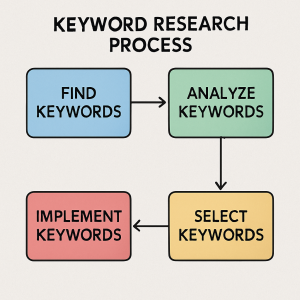
At the heart of SEO lies the concept of keywords, the terms and phrases that users input into search engines to find the information, products, or services they need. Understanding the intricacies of SEO keywords can empower marketers to craft strategies that boost visibility and traffic.
Table of Contents
- The Essence of Short-Tail Keywords
- The Power of Long-Tail Keywords
- Competitive Keywords and Their Challenges
- Trending Keywords: Capturing the Moment
- High-Ranking Keywords: Sustaining Success
- Conducting SEO Keyword Research
- Building a Keyword Strategy
- Top SEO Keywords for 2026
- Keyword Optimization Tips
- Conclusion
- Frequently Asked Questions about Top SEO Keywords
The Essence of Short-Tail Keywords
Short-tail keywords, typically comprising one or two words, have the advantage of high search volumes, but they come with a caveat: fierce competition. These keywords are broad and generic, making them appealing to a wide audience but challenging to rank for without substantial effort. For businesses with broad appeal, strategically integrating short-tail keywords can enhance reach, though they require robust content strategies to stand out.
The Power of Long-Tail Keywords
In contrast, long-tail keywords offer specificity and precision, often consisting of three or more words. These phrases cater to niche audiences, allowing businesses to capture targeted traffic with higher conversion potential. Long-tail keywords are less competitive, providing an opportunity for smaller businesses to rank effectively. By focusing on user intent and crafting content around these detailed queries, businesses can attract highly engaged visitors.
Competitive Keywords and Their Challenges
Competitive keywords are high-demand terms that many websites target, making them difficult to rank for without significant resources. These keywords often require a blend of high-quality content, authoritative backlinks, and comprehensive SEO strategies. While they promise substantial traffic, businesses must assess their capacity to compete in these crowded spaces and consider whether the potential payoff justifies the effort.
Trending Keywords: Capturing the Moment
Trending keywords emerge from current events, cultural shifts, or new industry developments. By monitoring these trends, businesses can capitalize on temporary spikes in interest, driving traffic with timely and relevant content. Staying agile and responsive to these trends enables marketers to maintain relevance and authority in their field, though it demands continuous vigilance and adaptation.
High-Ranking Keywords: Sustaining Success
High-ranking keywords consistently perform well in search engine results, serving as reliable pillars in a keyword strategy. These keywords often reflect enduring interests or needs within an industry. By cultivating content around these terms, businesses can establish a steady stream of organic traffic and enhance their long-term SEO success. However, maintaining high rankings requires ongoing optimization and content updates to stay competitive.
Conducting SEO Keyword Research

Thorough keyword research forms the foundation of a robust SEO strategy. It involves a series of steps that guide marketers in identifying the most effective keywords for their specific goals.
Step 1: Brainstorming Topics
The initial phase of keyword research involves brainstorming topics closely aligned with your business or industry. Consider the challenges, needs, and interests of your target audience. By empathizing with their perspective, you can generate a list of potential topics that resonate with them, laying the groundwork for identifying relevant keywords.
Step 2: Utilizing Advanced Keyword Research Tools
Keyword research tools are indispensable for generating and analyzing keyword lists. Beyond the basics, advanced tools offer features such as competitor analysis, SERP (Search Engine Results Page) insights, and keyword clustering. Tools like Google Keyword Planner, Ahrefs, SEMrush, Ubersuggest, and Keywords Everywhere each provide unique functionalities that, when used collectively, offer a comprehensive view of potential keyword opportunities.
Step 3: Analyzing Comprehensive Keyword Metrics
After compiling a list of potential keywords, delve into their metrics to assess their viability. Evaluate search volume to understand the demand, keyword difficulty to gauge competition, and cost-per-click (CPC) to consider potential advertising costs. Additionally, analyze competitive density to determine the level of effort required to rank. This data-driven approach ensures informed decision-making in your keyword strategy.
Step 4: Identifying Lucrative Long-Tail Keywords
Long-tail keywords often hold the key to capturing specific, high-quality traffic. By identifying variations of your main keywords, you can uncover opportunities for niche content that addresses particular queries. This focus on specificity not only increases the likelihood of ranking but also enhances the relevance and engagement of your content, leading to better user experiences.
Step 5: Exploring Emerging Trending Keywords
Stay ahead of the curve by monitoring trending keywords within your industry. Utilize tools and platforms that track trends, such as Google Trends, to identify emerging topics and capitalize on them with timely content. By incorporating trending keywords, you can leverage current events and shifts in consumer behavior to attract attention and drive traffic to your site.
Building a Keyword Strategy
A well-crafted keyword strategy is the backbone of successful SEO efforts, guiding content creation, optimization, and ongoing performance evaluation.
Prioritizing Keywords for Maximum Impact
Begin by prioritizing your keywords based on criteria such as relevance, search volume, and competition. Focus on keywords that align with your business objectives and have a realistic chance of ranking. Create a balanced mix of short-tail, long-tail, and trending keywords to capture diverse segments of your target audience.
Crafting Optimized Content with Precision
Keyword optimization extends beyond mere inclusion; it involves integrating keywords naturally and strategically throughout your content. Ensure that keywords appear in critical areas such as page titles, headings, meta descriptions, and body text. Avoid the pitfalls of keyword stuffing by prioritizing readability and user experience, crafting content that flows naturally while delivering value.
Creating High-Quality, Engaging Content
Quality content is the linchpin of SEO success. Develop content that is not only informative but also engaging and relevant to your audience. Address their pain points, answer their questions, and provide insights that position your brand as an authority. High-quality content attracts and retains visitors, encouraging shares, backlinks, and positive engagement metrics that enhance your SEO performance.
Monitoring and Adapting Keyword Performance
SEO is an ongoing process that requires continuous monitoring and adaptation. Utilize analytics tools such as Google Analytics and SEMrush to track keyword performance, assess changes in search rankings, and identify areas for improvement. Regularly review your strategy, making data-driven adjustments to capitalize on new opportunities and address challenges as they arise.
Top SEO Keywords for 2026
The landscape of SEO keywords evolves with changing consumer behaviors and industry trends. In 2023, focusing on specific industries and geographic locations can enhance your keyword strategy and drive targeted traffic.
Exploring Keywords for Real Estate Investors
In the real estate sector, keywords related to property investment, real estate markets, and financing options hold significant potential. By tailoring content to address the interests and concerns of real estate investors, businesses can capture the attention of this lucrative audience and establish themselves as industry leaders.
Capturing the Local Market in Saudi Arabia
For businesses targeting the Saudi Arabian market, understanding cultural trends and consumer preferences is crucial. Keywords that cater to local interests and needs can enhance visibility and engagement. By incorporating location-based keywords, businesses can attract local customers and build a strong presence in this dynamic market.
Adapting to Industry-Specific Trends
Each industry presents unique opportunities for keyword optimization. Stay informed about industry-specific trends and shifts, and adjust your keyword strategy accordingly. By aligning your content with emerging topics and consumer interests, you can maintain relevance and drive sustained traffic growth.
Keyword Optimization Tips
To further refine your keyword strategy and enhance SEO performance, consider implementing these optimization tips:
Leveraging LSI Keywords for Contextual Relevance
Latent Semantic Indexing (LSI) keywords are related terms that search engines use to understand the context of content. By incorporating LSI keywords, you can improve the semantic relevance of your content, aiding search engines in accurately categorizing and ranking your pages.
Optimizing for the Rise of Voice Search
As voice-activated devices become more prevalent, optimizing for natural language queries is essential. Consider how users phrase queries when speaking, and adjust your content to match these conversational patterns. This approach enhances accessibility and captures traffic from voice search users.
Focusing on User Intent for Effective Engagement
Understanding user intent is pivotal in delivering content that meets searcher needs. Whether the intent is informational, navigational, or transactional, align your content to address these objectives effectively. By meeting user expectations, you can improve engagement metrics and drive conversions.
Harnessing the Power of Local SEO
For businesses with a physical presence or local clientele, local SEO is a powerful tool. Incorporate location-based keywords and optimize your Google My Business listing to attract local customers. Local SEO enhances visibility in local search results, driving foot traffic and increasing brand recognition within your community.
Conclusion
Mastering the art of SEO keyword research and optimization is a dynamic and rewarding endeavor that holds the key to improving your website’s visibility and driving organic traffic. By comprehensively understanding the diverse types of keywords, conducting thorough research, and implementing a strategic approach, you can unlock the secrets to SEO success.
In an ever-changing digital landscape, staying ahead requires continuous learning, experimentation, and adaptation. Embrace the challenges and opportunities that come with evolving trends, and remain vigilant in refining your keyword strategy. By doing so, you can maintain a competitive edge and thrive in the world of SEO, securing a bright future for your digital marketing efforts.
Frequently Asked Questions
In 2026, the most important SEO keyword trends include long-tail keywords, conversational search phrases, and intent-driven queries. Search engines increasingly prioritize keywords that reflect user intent rather than exact-match terms, especially for AI-powered results and voice search.
AI tools improve keyword research by identifying semantic relationships, search intent, and topic clusters instead of just search volume. In 2026, successful SEO strategies use AI to uncover contextual keywords, predictive search behavior, and content gaps competitors haven’t addressed.
Yes—long-tail keywords are more effective than ever in 2026. They attract higher-intent traffic, face less competition, and align better with AI-generated search results. Long-tail queries also perform well for voice search and AI Overviews because they match natural language patterns.
To optimize keywords for AI search results, focus on clear answers, structured content, and natural language phrasing. Use headings, bullet points, and FAQ sections to help AI systems extract direct responses, and prioritize keywords that solve specific problems or questions.
SEO keywords should be reviewed and updated at least quarterly in 2026. Search behavior evolves quickly due to AI-driven discovery, so regularly refreshing keywords helps maintain rankings, capture emerging trends, and stay competitive in both traditional and AI-powered search results.