
WordPress Website Development for Architecture Firm Client: Nadia Palacios Architecture | Houston, TX Client: Nadia Palacios Architecture | Houston, TX
Project Role
WordPress Website Development for Architecture Firm Client: Nadia Palacios Architecture | Houston, TX
- Architecture Firm Website Development Custom WordPress Theme Development
- Horizontal-Scroll Portfolio and Gallery System
- ACF Content Architecture
- Typography, Motion and Performance Engineering
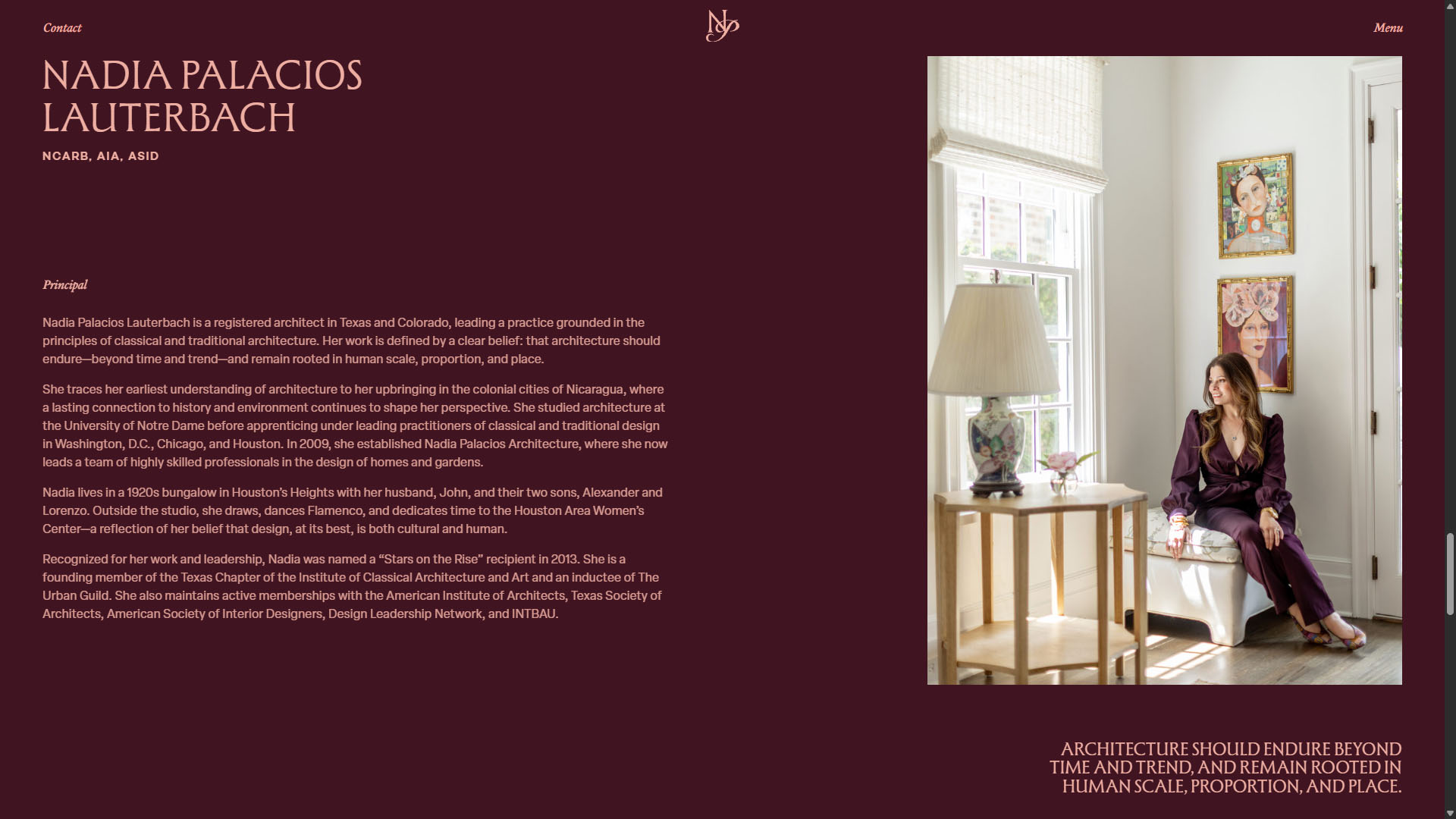
Nadia Palacios Architecture is a Houston studio founded in 2009 that treats architecture, interior design and landscape as one continuous discipline. The founder trained in the classical tradition at the University of Notre Dame and apprenticed under classical practitioners in Washington, D.C., Chicago and Houston before opening the practice. The portfolio runs from new houses in historic neighborhoods to the restoration of a Houston historic landmark, and the work has been featured in House Beautiful, Southern Home, Luxe Interiors + Design, Modern Luxury and the Houston Chronicle.
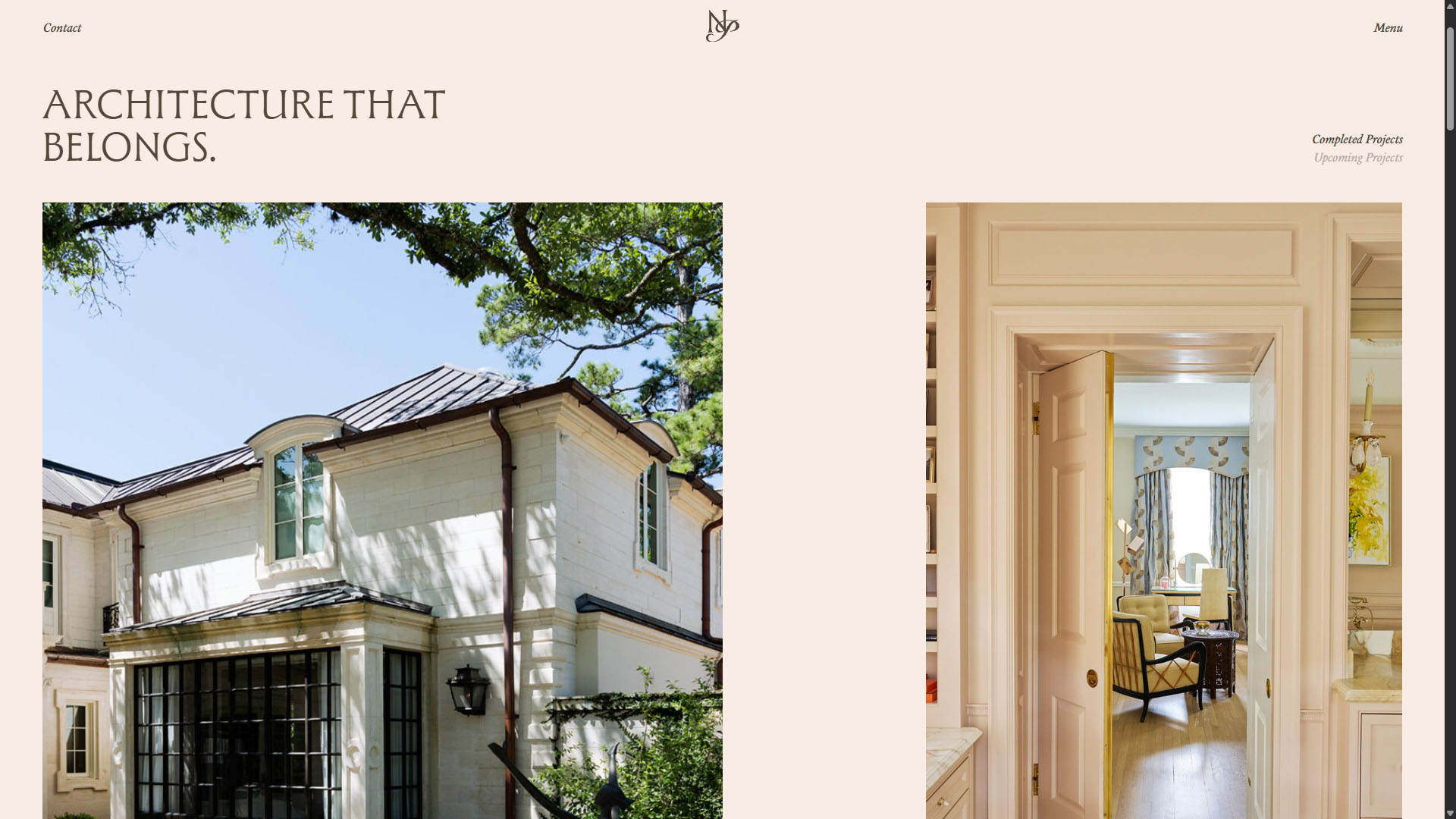
A studio built on proportion, sequence and enfilade planning needed a website that behaved the same way. Neiter Creative designed an editorial layout where each project unfolds as a sequence of full-bleed photography rather than a grid of thumbnails. Chainlink built the site as a custom WordPress theme from scratch, with no page builder, so the design’s typography, pacing and motion could be reproduced exactly and the studio could still manage every page from the WordPress admin.
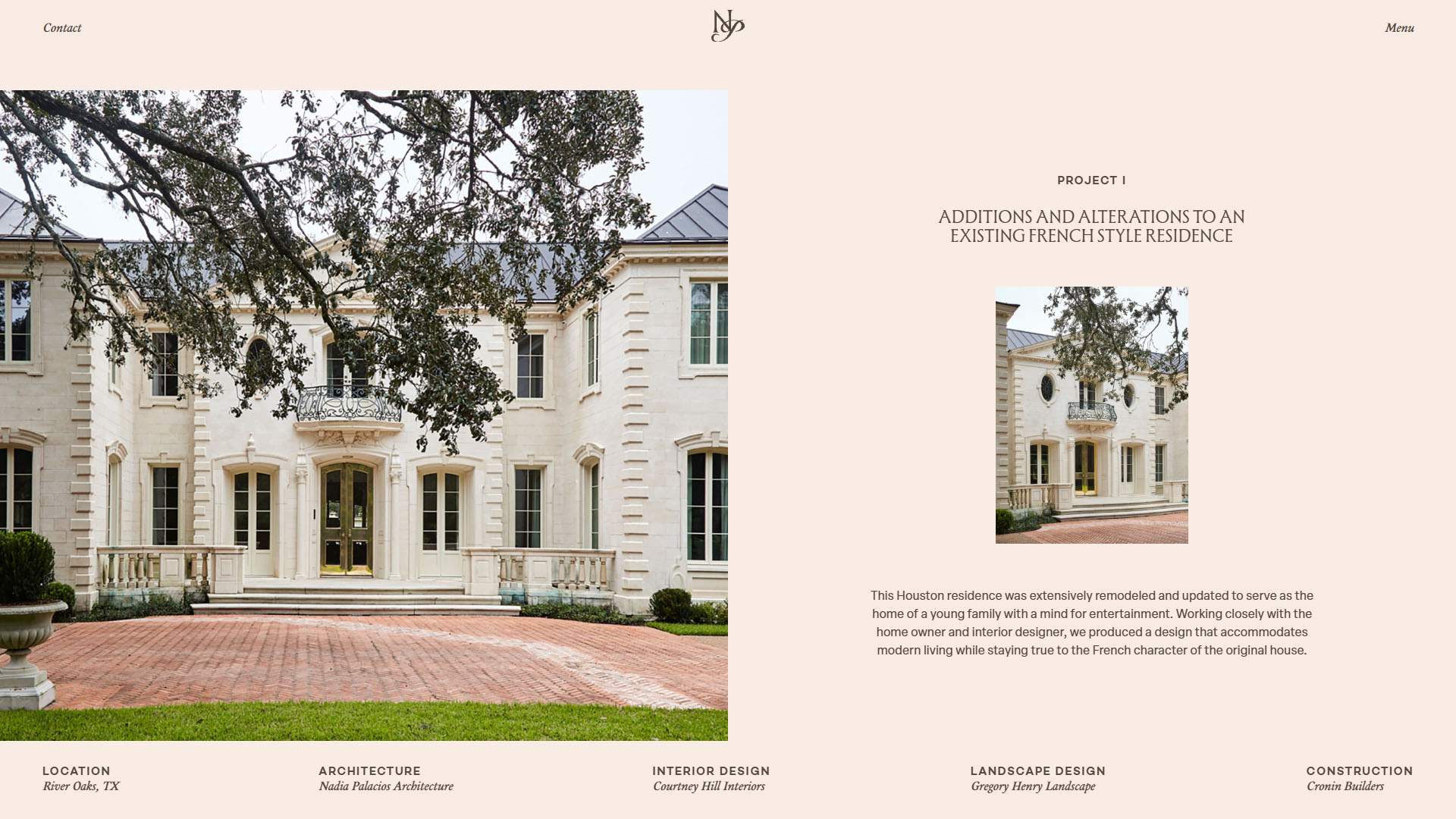
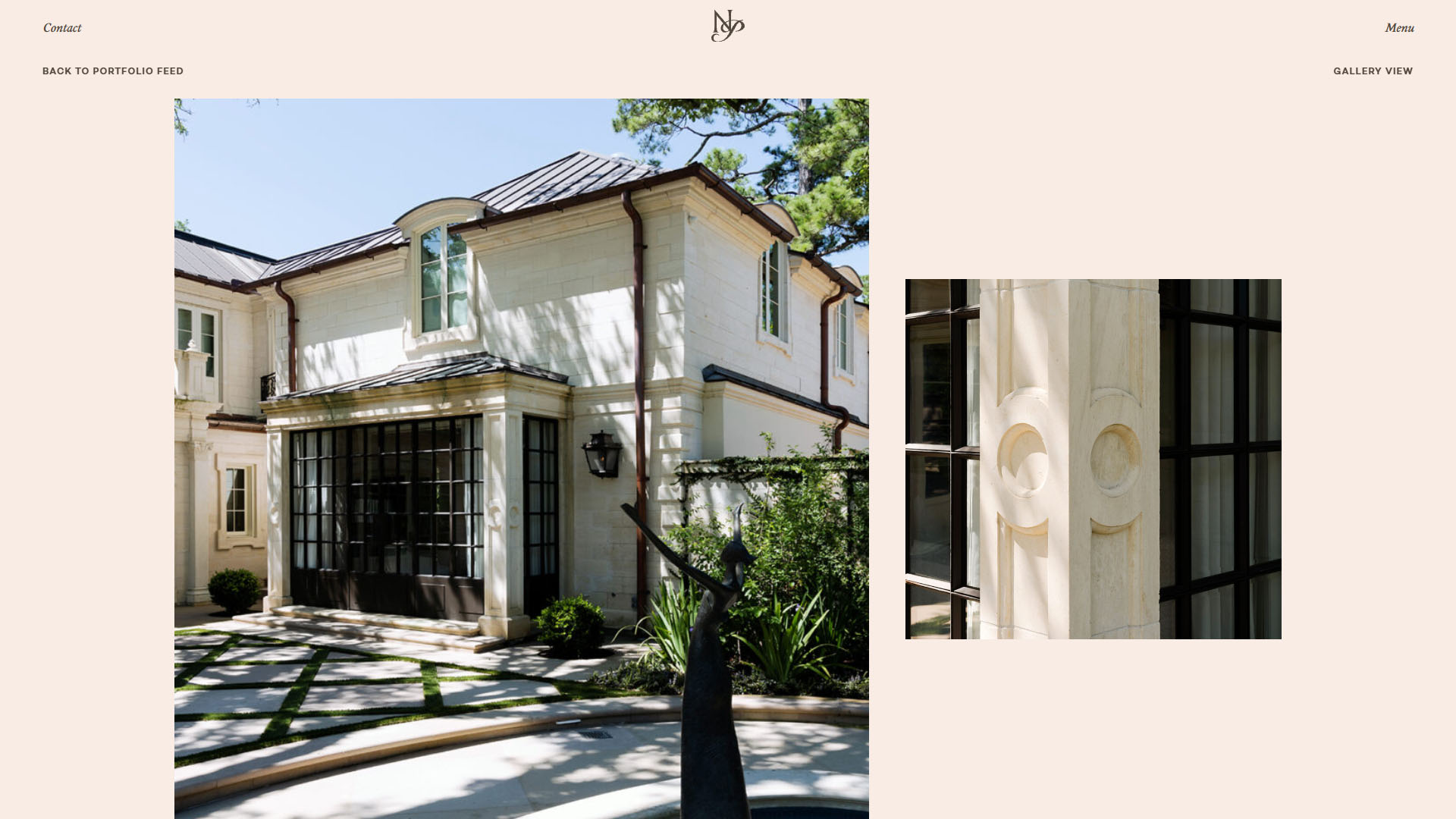
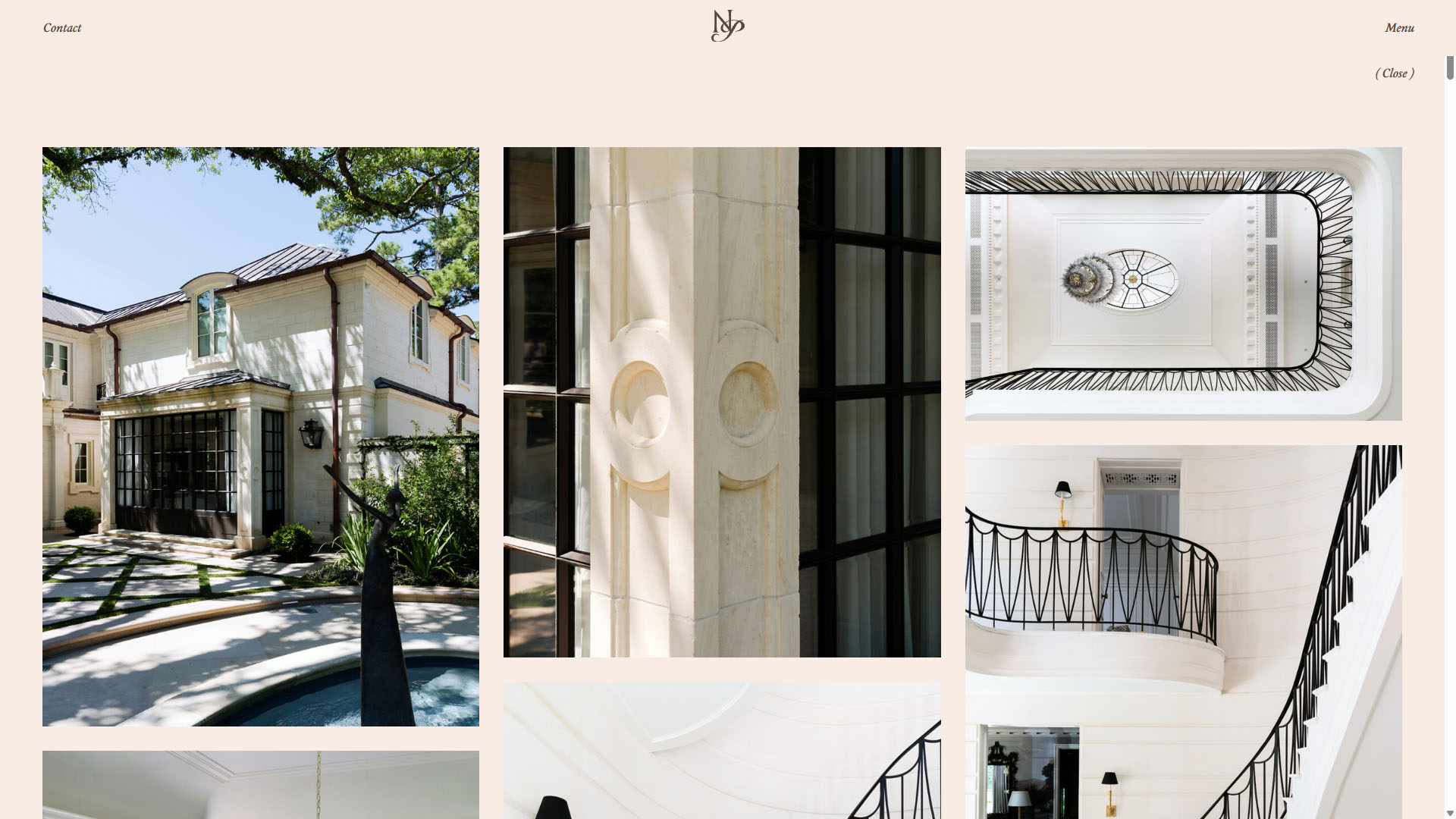
The result is a portfolio that reads like a monograph. Project pages pin to the viewport and scroll horizontally through large and small image compositions, with a Gallery View that opens the full set in a lightbox and a Back to Portfolio Feed control at the end of the sequence. Supporting pages cover the studio’s process as a click-through of design phases, its press and awards, and a contact form that qualifies inquiries by service, budget and referral source.

Challenge & Solution
The Challenge


The Solution
Horizontal-Scroll Project Pages with Gallery View
Each project is a custom post type with a client-editable project label, contributor credits (architecture, interiors, landscape, construction) and a repeater of image sections. Sections use one of three compositions: large image left, large image right, or a horizontal pair. On desktop the sequence pins to the viewport and scrolls sideways with snap-to-slide behavior, ending on an overlay with Back to Portfolio Feed and Gallery View controls. Gallery View opens the same images in a lightbox. Mobile, reduced-motion and no-JavaScript visitors get the same content stacked vertically.
Custom Theme Build: Typography, Motion and Performance
The theme was written from scratch rather than on a builder, so every spacing, type and motion decision in the Neiter Creative design is set in code. Adobe Fonts serves the display and text families, with weight and style rules scoped so headings render the intended cut instead of a browser-synthesized bold. Page transitions and image reveals run on a smooth-scroll layer with a preloader on first visit, and every overlay has a fallback so a script failure can never trap a visitor behind a locked screen. Caching and optimization run through WP Rocket, and the theme ships with a written conventions file so future development follows the same rules.
Editorial CMS: Process, Recognition and Contact
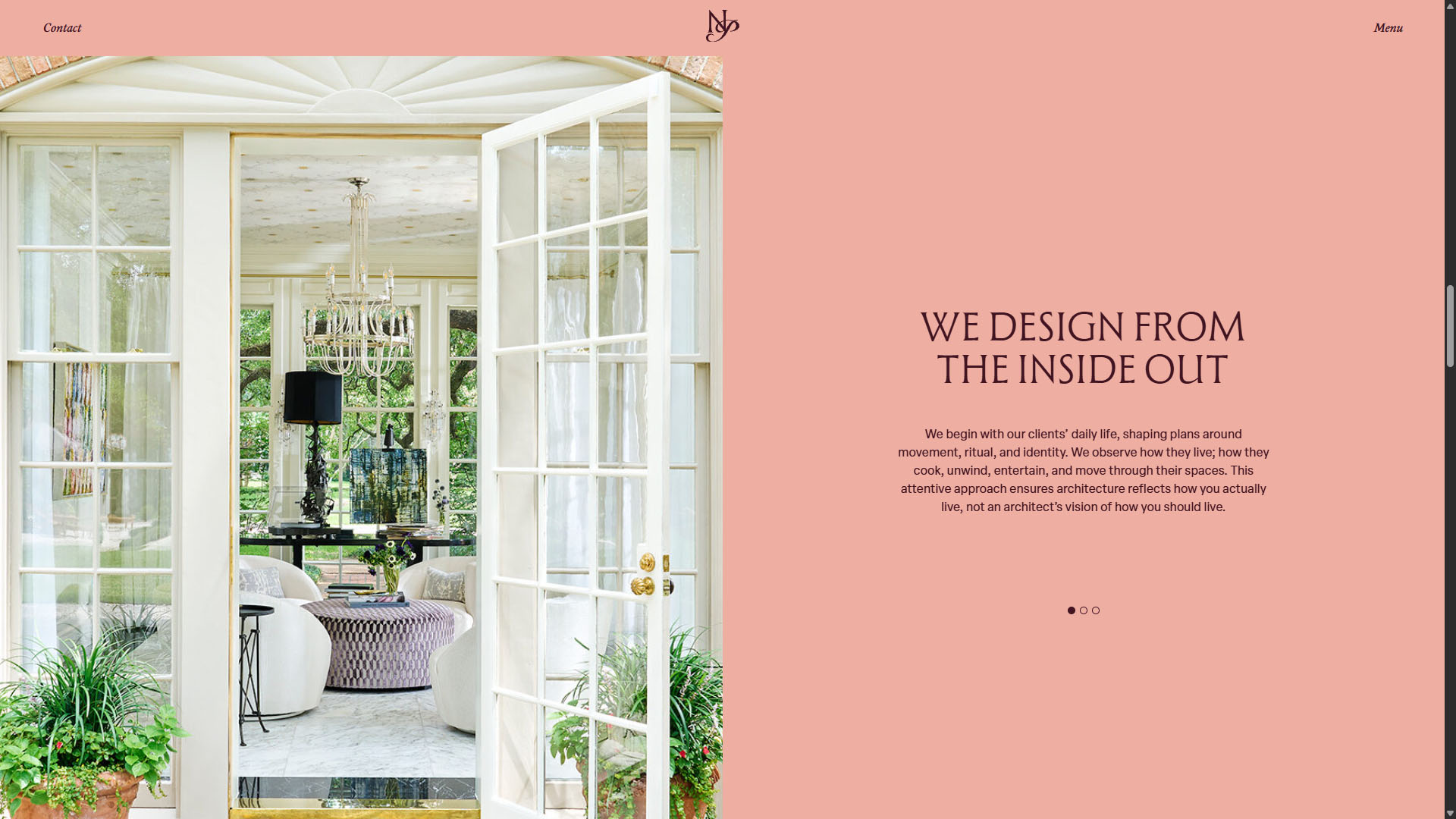
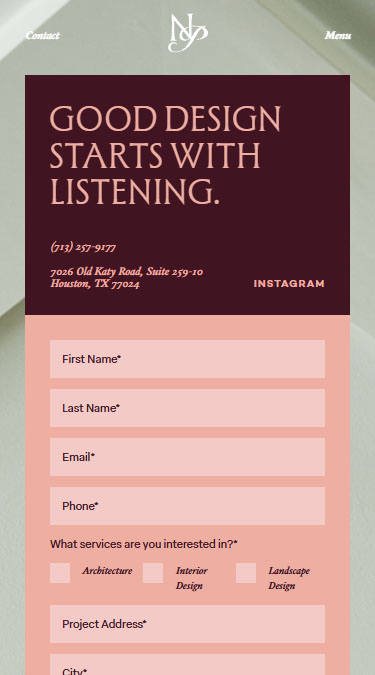
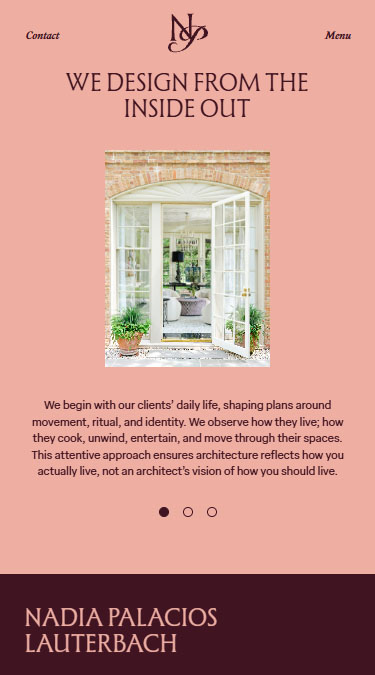
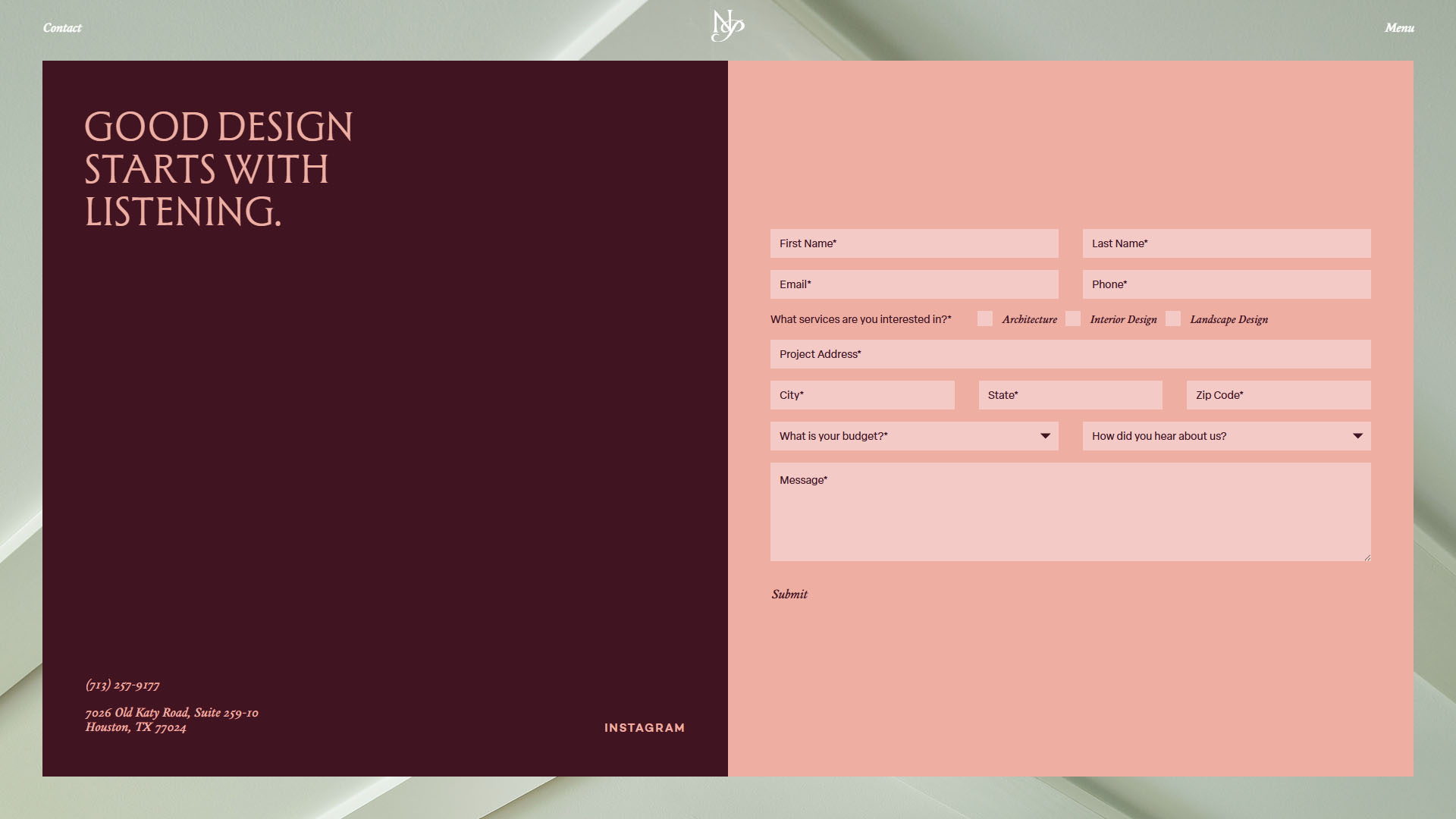
The Process page presents the studio’s design phases as a left-rail click-through, each phase carrying its own copy and a nested list of deliverables, all managed through ACF repeaters. Recognition lists press features and awards by publication and date. The contact page pairs the studio’s address and phone with a form that asks for project address, service of interest (architecture, interior design, landscape design), budget tier and referral source, so the studio can qualify inquiries before the first call. Every page uses the same guarded field helpers, so an empty field never breaks a layout.
Architecture Firm Website Development: Common Questions
Photography carries an architecture website, so the layout should get out of its way: large images, restrained type, and a project structure that lets a visitor move through a house the way they would walk through it. The site also needs to be editable. A studio adds projects, press and team members constantly, and if every update needs a developer, the site goes stale. The best results come from a custom theme that reproduces the designer’s layout exactly and exposes each page’s content as structured fields in WordPress, so the studio controls the words and images while the code controls the design.
We build each project as a custom post type with a repeater of image sections, then render those sections as a track that pins to the viewport and translates sideways as the visitor scrolls, using GSAP ScrollTrigger with scrub and snap. The important part is what happens when that technique is not appropriate: the server markup is a plain vertical stack, and JavaScript only adds the pinned behavior on wide screens for visitors who have not requested reduced motion. That same stacked markup feeds the lightbox gallery, so there is one source of truth for the images and no duplicate content to maintain.
If the design has already been drawn by a professional, a page builder is the wrong tool. Builders approximate a layout with their own grid and spacing systems, add weight to every page, and make precise typography and motion hard to control. For Nadia Palacios Architecture we built the theme from scratch so the Neiter Creative design was reproduced to the pixel, then used Advanced Custom Fields to give the studio editable fields for every element. The studio gets a simpler admin than a builder would offer, and the site loads faster because it only carries the code it needs.
It depends on the number of templates, the complexity of the portfolio system and whether design is included. A development-only build from finished designs, with a custom project post type, motion and a handful of supporting templates, sits in a different range than a full-service engagement where Chainlink also handles design, copy and SEO. We scope each project against the actual template list and interactions before quoting, and we are direct about which features earn their cost. Contact Chainlink with your design files or a list of pages and we will give you a scoped estimate.
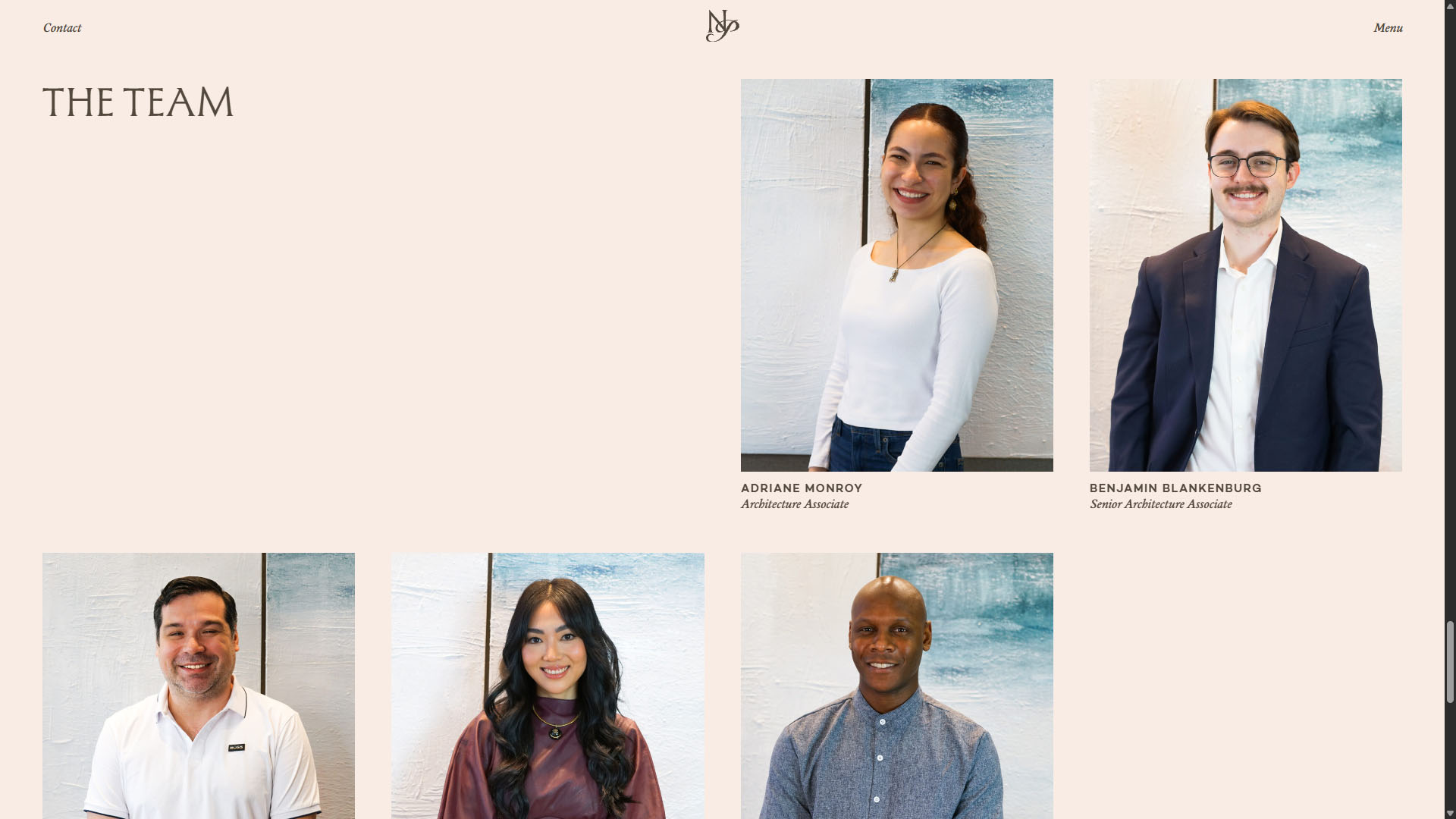
Yes. Every project, process phase, press feature and award is a structured entry in WordPress. Adding a project means creating a post, entering the label and contributor credits, and adding image sections with a layout choice for each. Press and awards are their own entries with publication and date fields. The theme uses guarded field helpers, so a missing image or an empty field falls back cleanly instead of breaking the page. The only work that still needs a developer is a change to the design system itself, which is how it should be.