
Custom HAR MLS Integration for a Houston Real Estate Brokerage Website Client: The Reyna Group | Houston, TX
Project Role
Custom HAR MLS Integration for a Houston Real Estate Brokerage Website
- Custom MLS Integration for Real Estate Brokerages
- HAR MLS Listing Feed Development
- Neighborhood Pages with Live Listings
- Agent Directory and Property Pages
- WordPress Development and On-Site SEO
- Mobile Listing Experience
The Reyna Group is a boutique residential real estate brokerage established in 2006, with its office in the Houston Heights and a practice that covers the inner-city neighborhoods and Greater Houston. Owners Mel and Michelle Reyna lead a team of 29 agents who work with buyers, sellers, developers and custom builders. A brokerage at that level is judged by what it has for sale, and its old website showed none of it: no live listings, no neighborhood tools, and a dated design that undersold the work. Buyers who wanted to see inventory had to leave for a listing portal, and the brokerage lost the visit along with the lead.
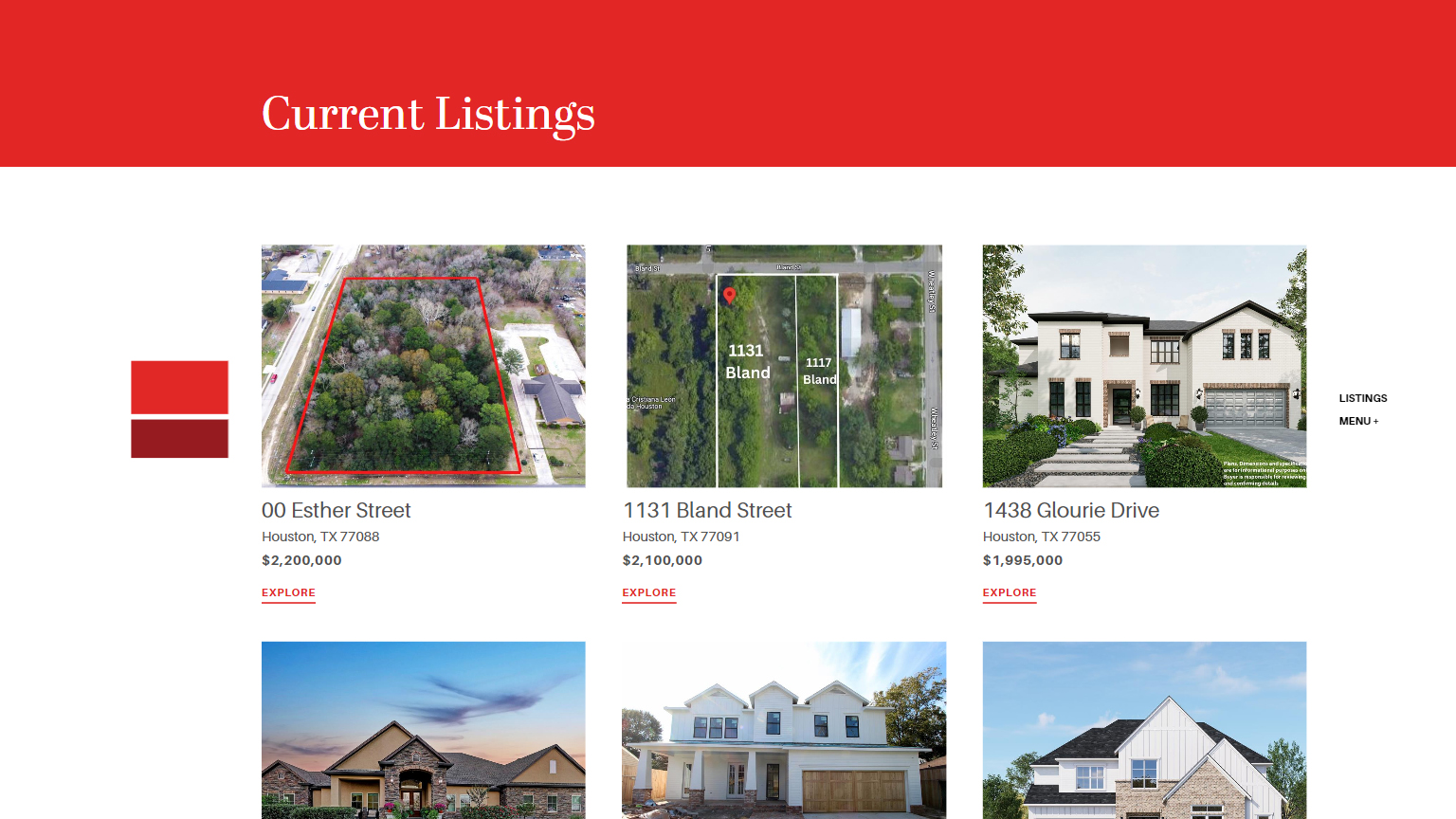
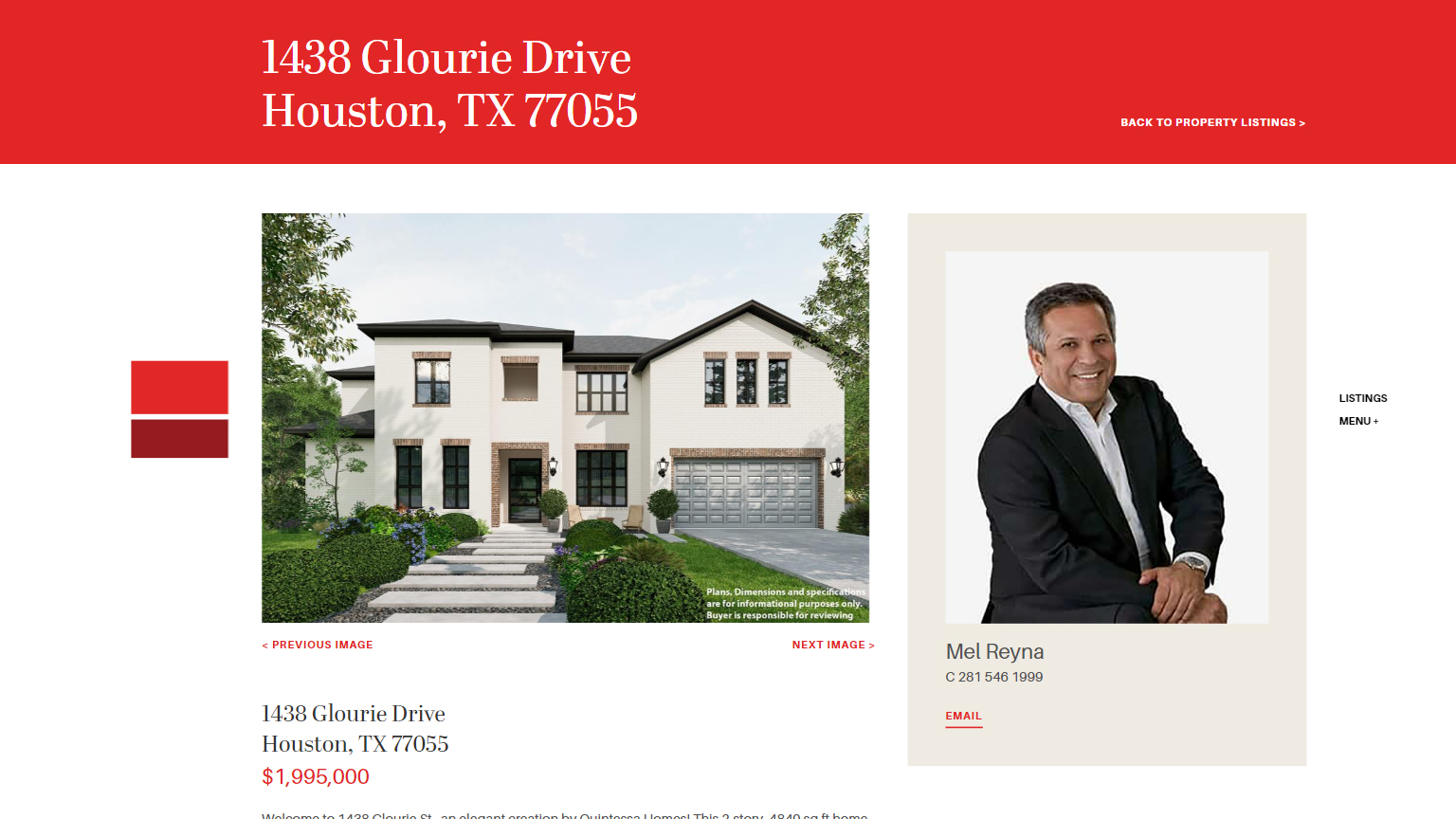
Chainlink built a custom HAR MLS integration for the new site, connecting it to Houston Association of Realtors listing data without an off-the-shelf IDX plugin. Each listing publishes as its own page on thereynagroup.com, with photos, price, description, the listing agent’s direct phone and email, and an inquiry form that already names the property. A second feed supplies homes for sale to the neighborhood pages. A design agency partner handled the brand refresh, and Chainlink developed the site on WordPress with a modular build the brokerage’s team edits without a developer.
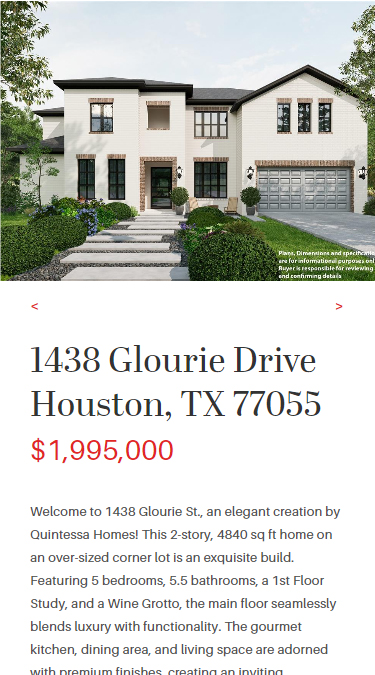
Listings now reach the site from the MLS and stay current with no manual entry. The Current Listings page orders the brokerage’s inventory by price. Twelve neighborhood guides each carry market figures and a feed of homes for sale in that area, so a buyer researching Montrose or Spring Branch finds addresses and prices in the same place as the write-up. Every property page sits on the brokerage’s own domain and routes the inquiry to a Reyna Group agent, where a portal would sell that lead to whoever pays for it.
Challenge & Solution
The Challenge

The Solution
Custom HAR MLS Integration for a Brokerage Website
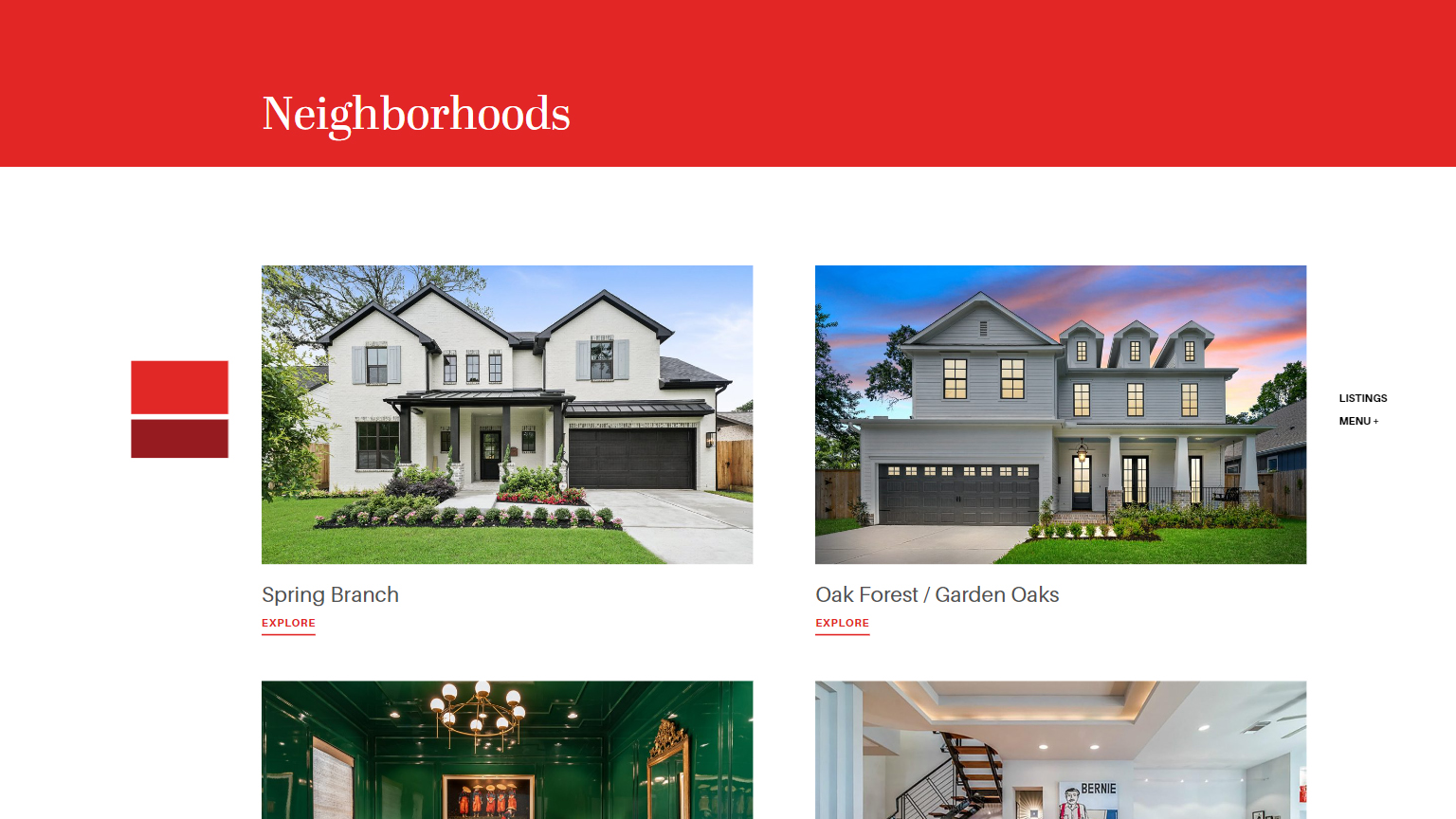
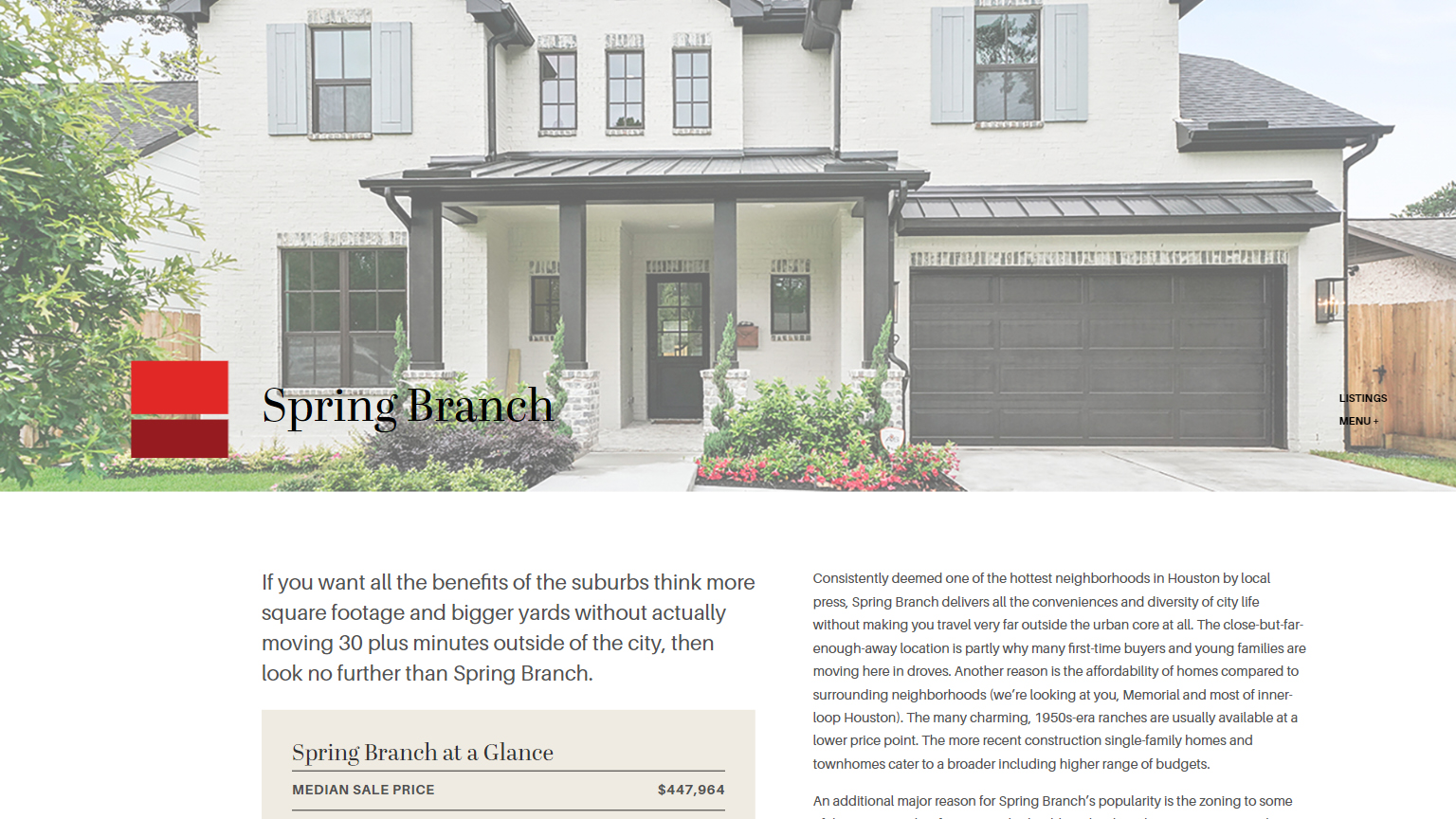
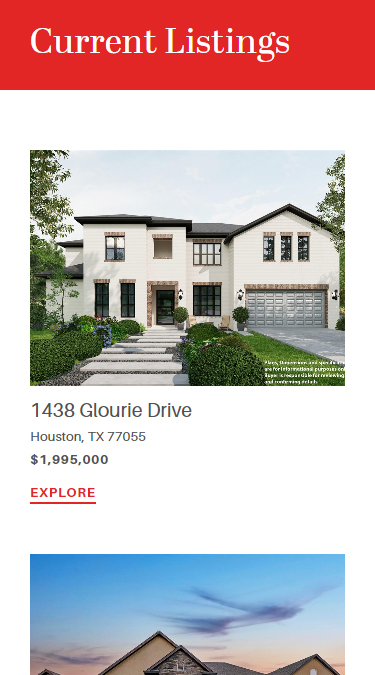
Chainlink connected the site to Houston Association of Realtors listing data with a custom integration in place of an off-the-shelf IDX plugin. The Reyna Group’s listings publish to a Current Listings page ordered by price, and a second feed supplies homes for sale to each neighborhood page. Nothing is keyed in twice: when a listing changes in the MLS, the site follows.
Mobile Listing Pages on a Modular WordPress Build
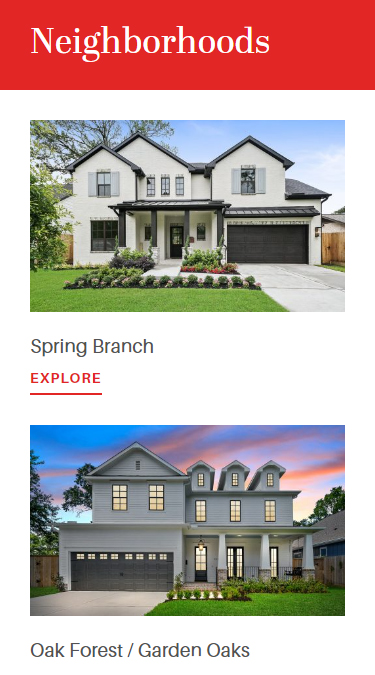
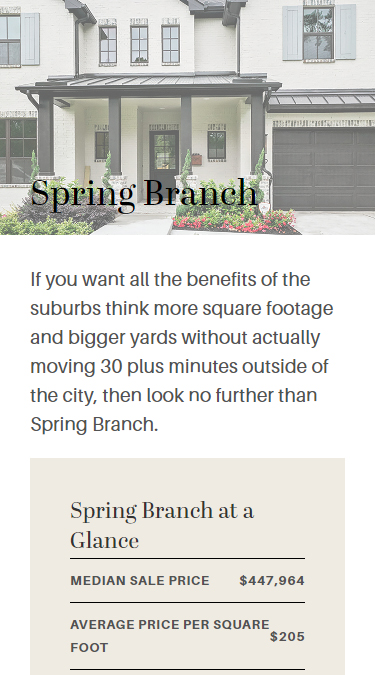
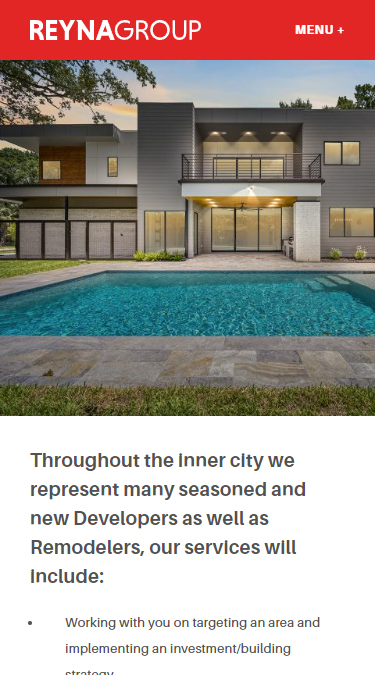
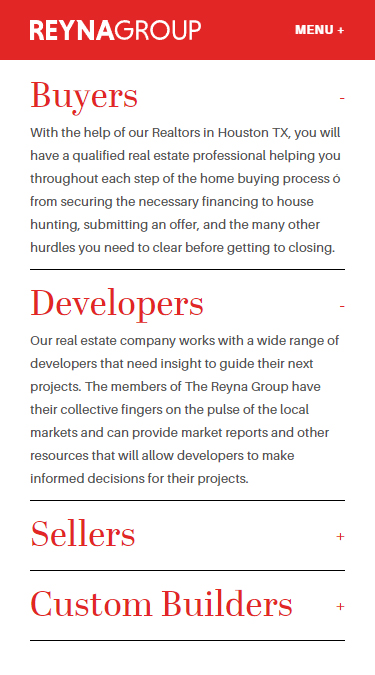
Every MLS-fed page was built for the phone as well as the desktop: the listings grid, the neighborhood guides with their market figures, and each property page. The site runs on a modular WordPress build, so the Reyna Group team edits neighborhood copy, the Custom Builds page and its buyer, seller and developer content without a developer, while listing data arrives from the feed and needs no editing at all.
Real Estate Agent Directory Tied to Listings
The Agents page presents all 29 team members with a photo and direct contact details, and each full bio opens in place without leaving the page. The MLS integration carries the agent through to the listing side: every property page shows its listing agent with office and cell numbers and an email link, so a buyer’s first contact goes to the person who knows the house.



Houston Neighborhood Pages with Live MLS Listings
Twelve neighborhood guides, including the Houston Heights, Montrose, River Oaks and Memorial, pair written local context with an at-a-glance panel: median sale price, price per square foot, and average bedrooms, bathrooms and square footage. Below it, a feed of homes for sale in that area links straight to their listing pages, so a buyer goes from reading about a neighborhood to a specific address.
Real Estate Website Development: Common Questions
Live listings come first. Buyers judge a brokerage by what it has for sale, and a site that sends them to a portal to see inventory has given the lead away. After that: neighborhood pages with real market numbers, an agent directory with direct contact details, and an inquiry form on every listing. The Reyna Group’s Houston site has all four, fed by a custom MLS integration, so the listings and neighborhood feeds stay current without anyone at the brokerage re-entering data. The team should also be able to edit its own copy, bios and guides in the CMS without calling a developer.
The site connects to the local MLS data feed, pulls each listing’s address, price, photos, description and agent, and stores them as pages in the site’s own CMS. For The Reyna Group, Chainlink built this against Houston Association of Realtors data on WordPress. The brokerage’s listings publish to a Current Listings page, and a second feed supplies homes for sale to each of 12 neighborhood pages. Each property gets its own URL on the brokerage’s domain, its listing agent’s phone and email, and an inquiry form that already names the address. When the MLS record changes, the page follows. Nobody at the brokerage enters a listing twice.
An IDX plugin is the fast route: install it, pick a template, and listings appear, usually in the vendor’s layout and often on a subdomain or inside a frame, for a monthly fee. A custom integration costs more up front and takes longer, and in return the listings are built into the site’s own design, URLs and lead forms. That matters most for a brokerage whose brand is part of the pitch, where a generic search page undercuts the rest of the site. If you need full map search across a whole metro next month, an IDX product is the better buy. If your own listings are the point, build custom.
They reach buyers before those buyers have picked an agent. Someone weighing Spring Branch against Oak Forest searches the neighborhood, not a brokerage. A page that answers with local context, current price figures and homes actually for sale gives that visitor a reason to stay and a next click. Each of The Reyna Group’s 12 guides has an at-a-glance panel with median sale price, price per square foot and average home size, followed by a feed of homes for sale in that area. Every home in the feed opens a listing page with an agent’s direct line and an inquiry form, which is where the lead is captured.
Real estate brokerage website development typically runs from $20,000 to $60,000 or more, depending on scope. A custom MLS integration sits at the upper end because the data feed, the listing page templates and the neighborhood feeds are all built for the one site. A brochure site with an IDX plugin comes in lower. The questions that move the number: which MLS, whether you want only your own listings or wider market inventory, how many neighborhood or agent pages need feeds, and whether design is in scope or supplied by a partner. Contact Chainlink with your MLS and a page list and we will scope it against what you need.
They can, when each listing is a real page on the brokerage’s domain. On The Reyna Group’s site every property has its own URL and page title built from the street address, city and ZIP, with the description, photos and price in the page itself, so a search engine can index it like any other page. Listings shown inside a frame or on a vendor’s subdomain give the brokerage’s domain none of that. Listing pages also expire as homes sell, so they work best alongside permanent pages that keep earning traffic, which is the job the neighborhood guides do. No integration guarantees rankings. It gives search engines something to index.