
Interior Designer Website Development for Luxury Design Firms Client: Meg Lonergan Interiors | Houston, TX
Project Role
Interior Designer Website Development for Luxury Design Firms
- Interior Designer Website Development
- WordPress Development
- LTK Affiliate Revenue Integration
- On-Site SEO Optimization
- Mobile-First Development
- Custom Modular CMS Architecture
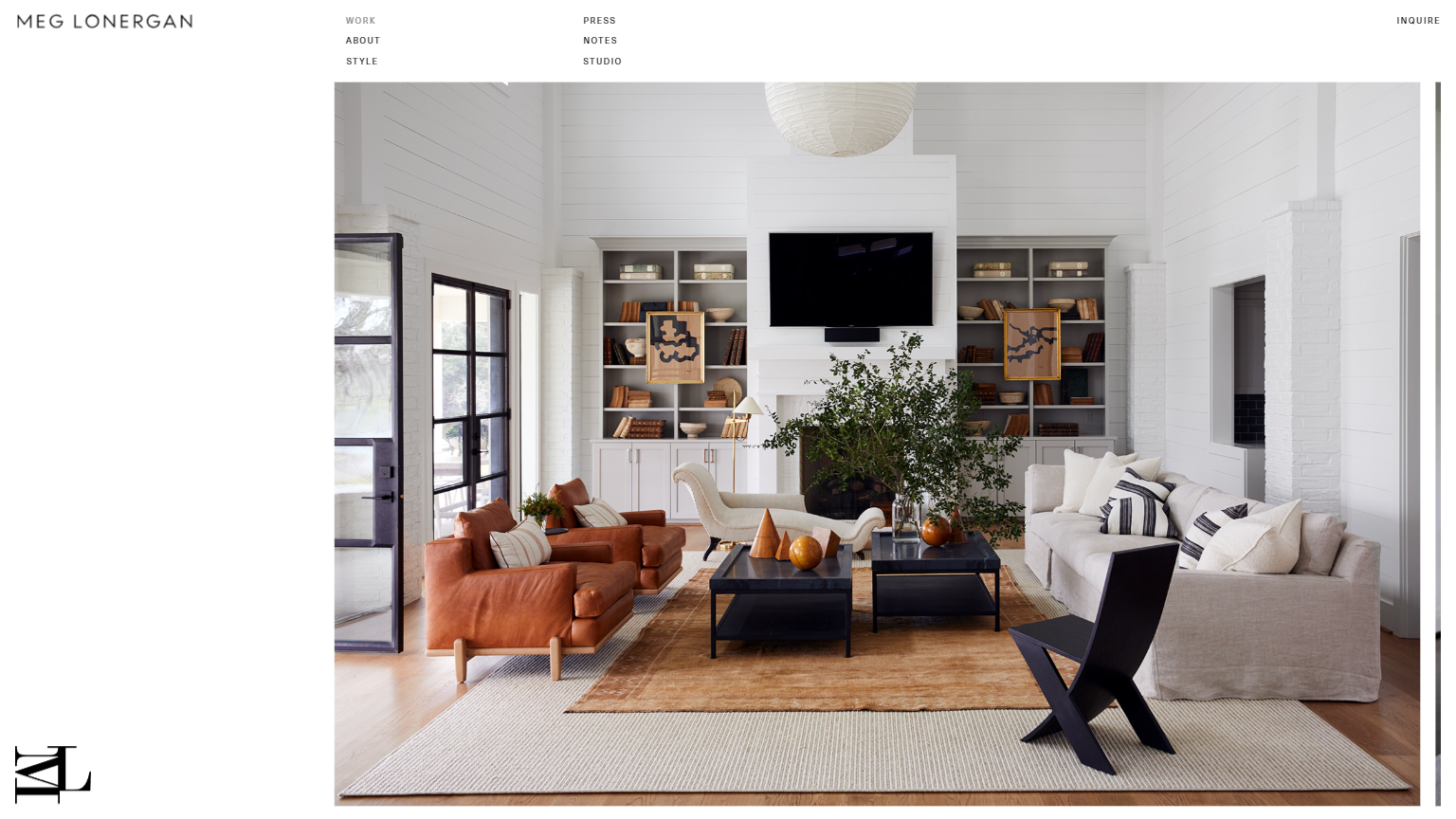
Meg Lonergan Interiors is a nationally recognized Houston interior design firm with editorial features in Veranda, AD Pro, and the Wall Street Journal — and a significant national following across social media. Founded by Meg Lonergan, the practice has built a dual identity: a high-end residential design firm with a project roster that includes a featured installation at the Kips Bay Palm Beach Showhouse, and an actively growing lifestyle brand with an engaged social audience. The combination created an unusual website challenge — the site needed to carry the weight of a serious luxury design portfolio while simultaneously functioning as a content and commerce platform for tens of thousands of followers.
Chainlink served as the development partner on this project, with all visual and brand design led by Neiter Creative. Chainlink’s scope encompassed a full WordPress rebuild — replacing the legacy site with a modular, content-managed architecture designed to scale with the firm’s active publishing cadence. The centerpiece of the technical build was a custom integration with LikeToKnowIt (LTK), the affiliate monetization platform widely used in the interior design and lifestyle influencer space. Chainlink developed a bespoke modular plugin enabling the team at Meg Lonergan Interiors to regularly publish curated shoppable posts and collections with LTK cookie tracking, converting follower engagement into affiliate revenue. The engagement also included on-site SEO optimization and a purpose-built mobile experience calibrated to the firm’s social-driven traffic patterns.
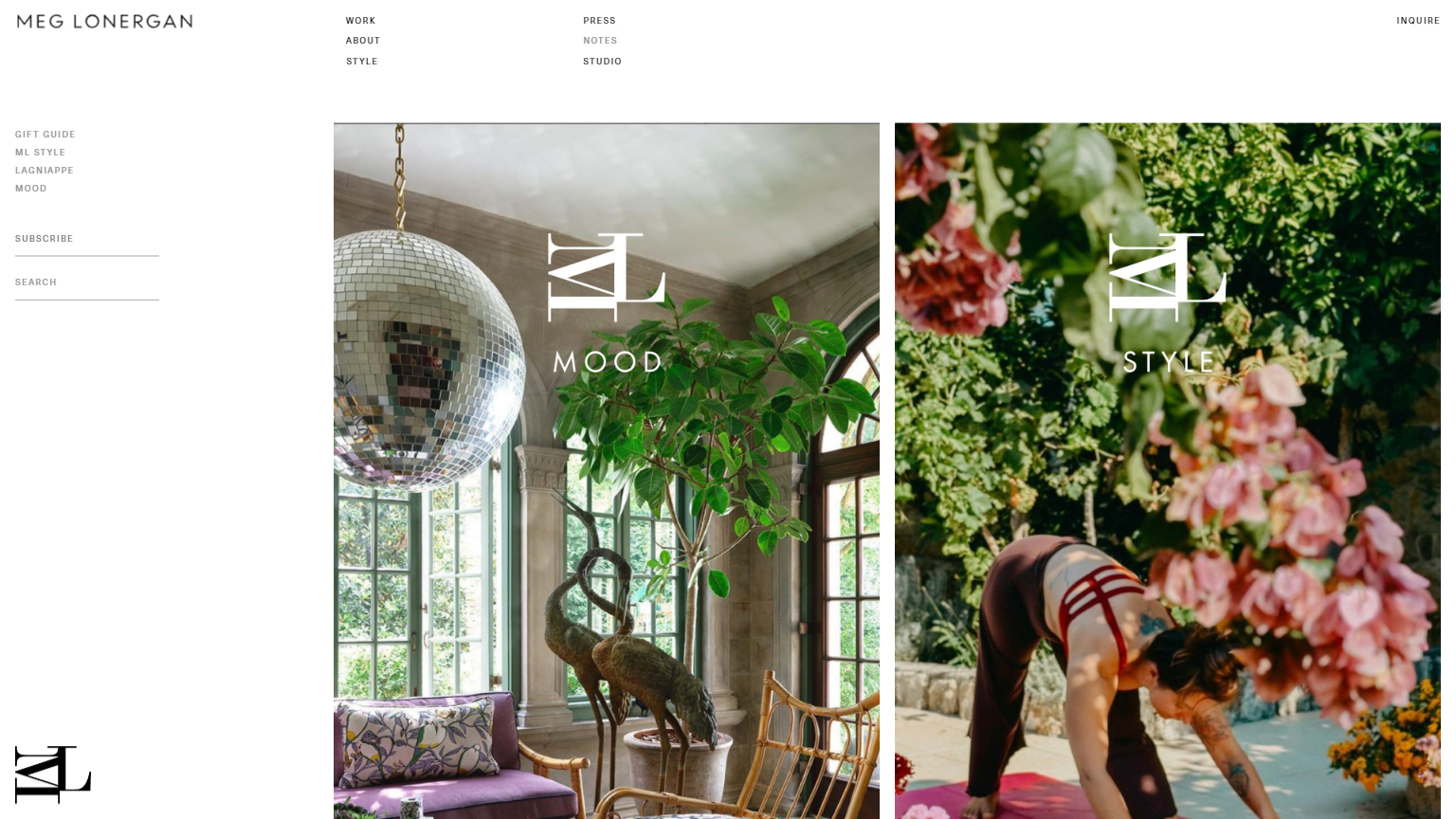
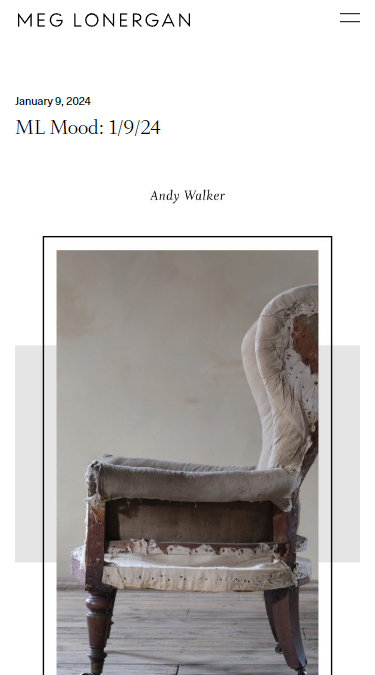
The relaunched meglonergan.com serves two distinct audiences without compromising either. Prospective design clients can move through a high-caliber portfolio, understand the firm’s process and philosophy, and navigate clearly to inquiry. Social followers arrive — predominantly on mobile from Instagram — and find shoppable style content built specifically for their use case. The modular WordPress back-end ensures that neither content track stalls behind developer availability: Meg’s team can add projects, publish lifestyle posts, and expand the site’s content footprint independently. And the LTK integration converted the site from a static credential into an active revenue channel operating alongside the firm’s core design services.
Challenge & Solution
The Challenge
The Solution
Scalable Interior Designer CMS Architecture
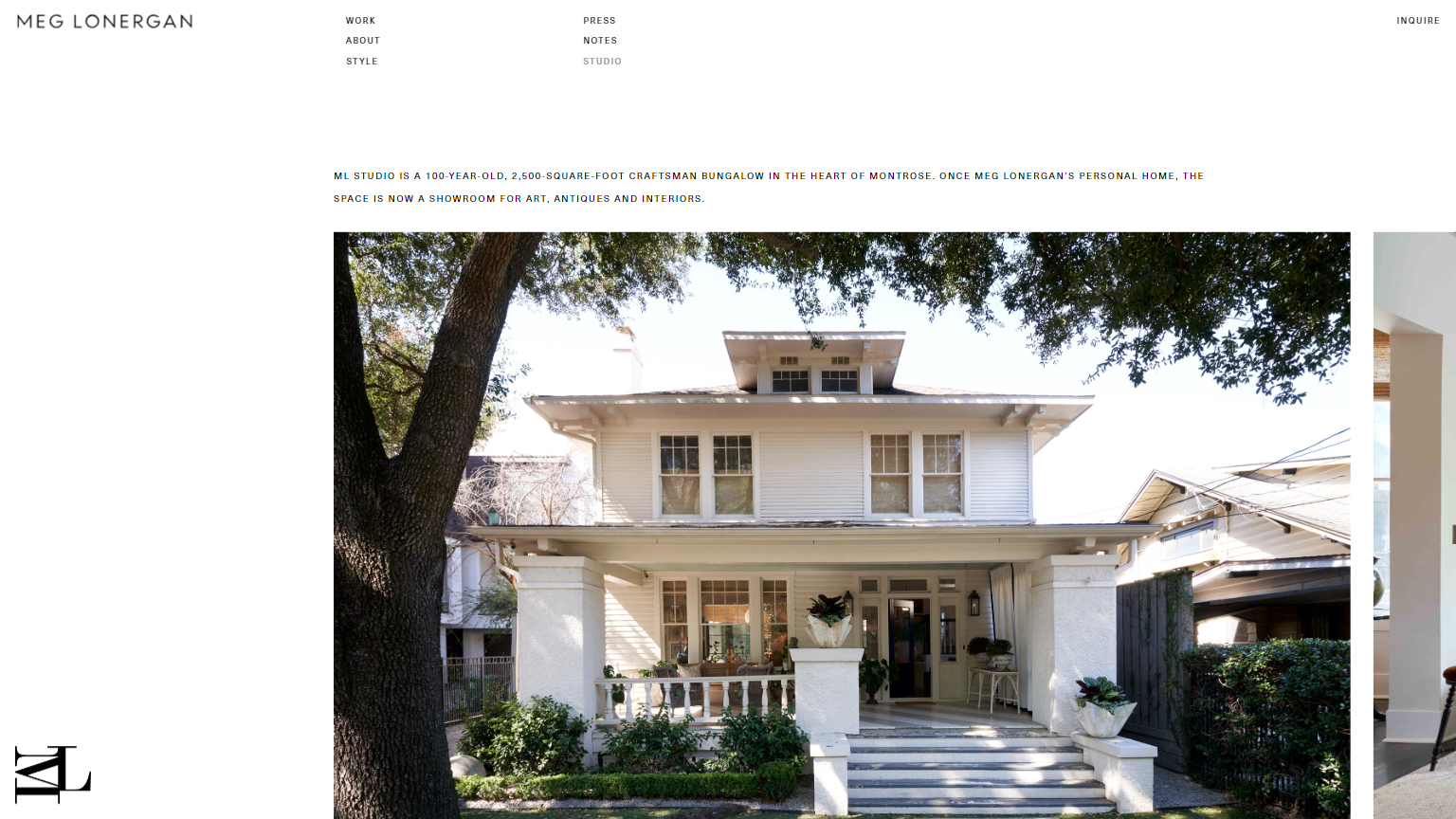
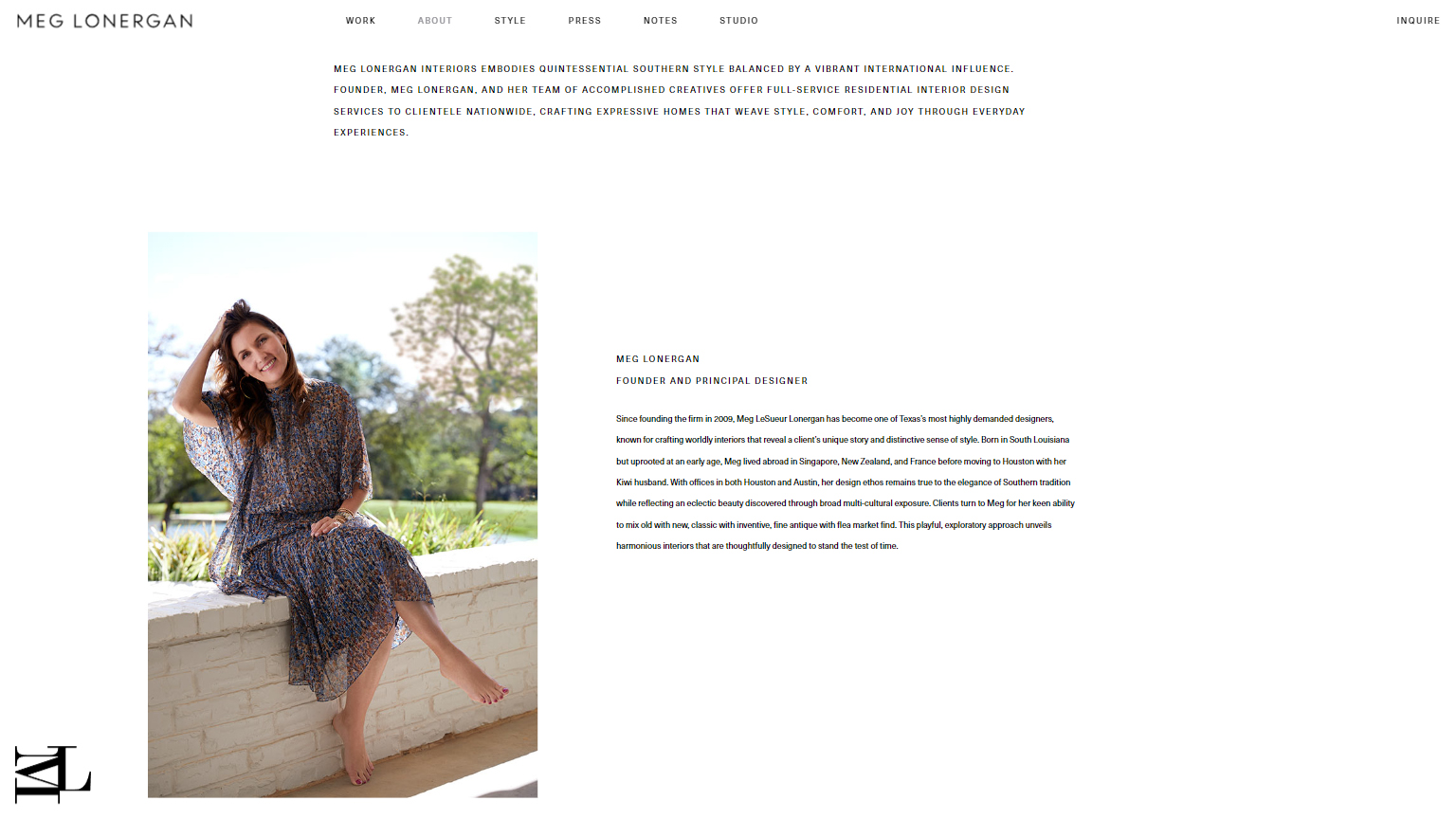
Chainlink built a modular WordPress back-end for Meg Lonergan Interiors, structured so the firm’s team can add portfolio projects, publish style posts, and introduce new content sections without developer support. The architecture was designed to scale with the firm’s high-volume content calendar while preserving the custom design system built by Neiter Creative — keeping the site visually consistent and brand-true as both the project portfolio and lifestyle content continue to expand.
Mobile-First Interior Design Website Experience
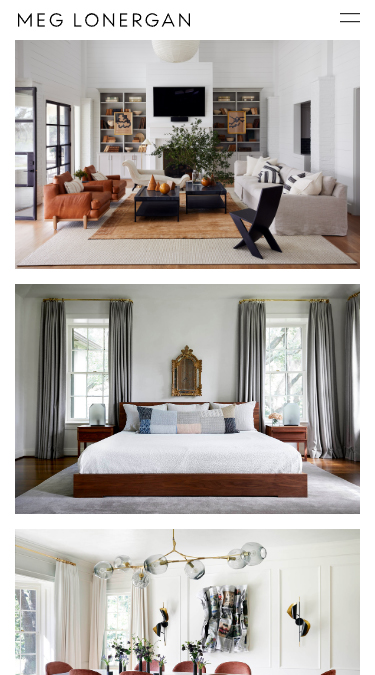
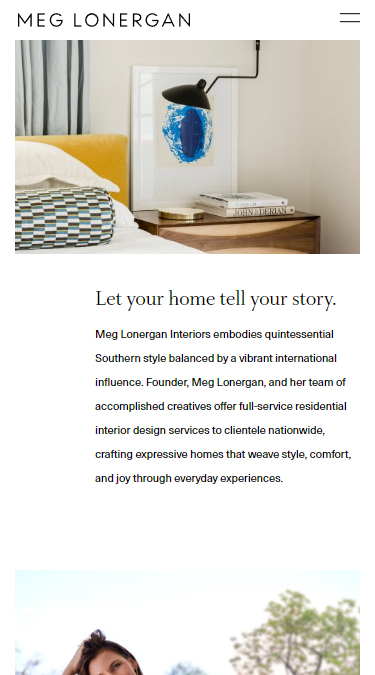
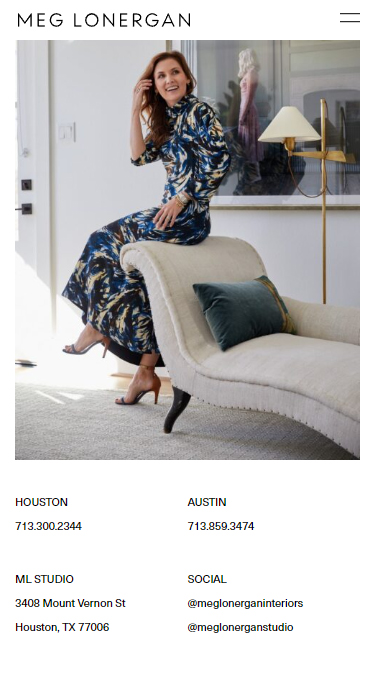
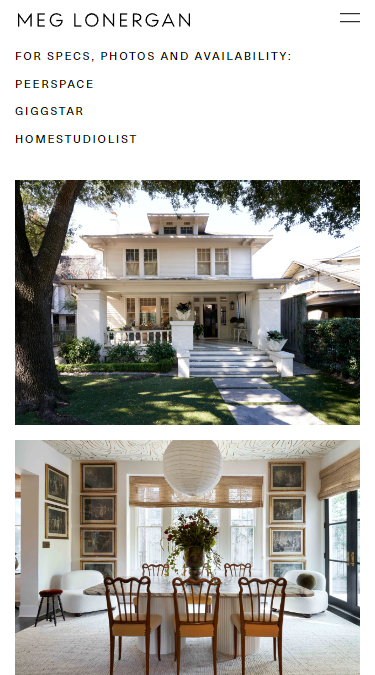
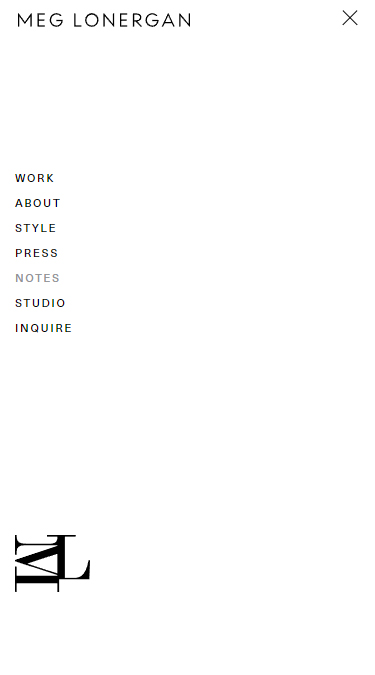
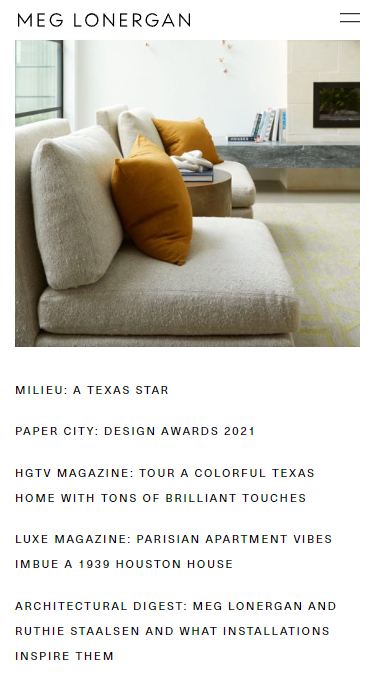
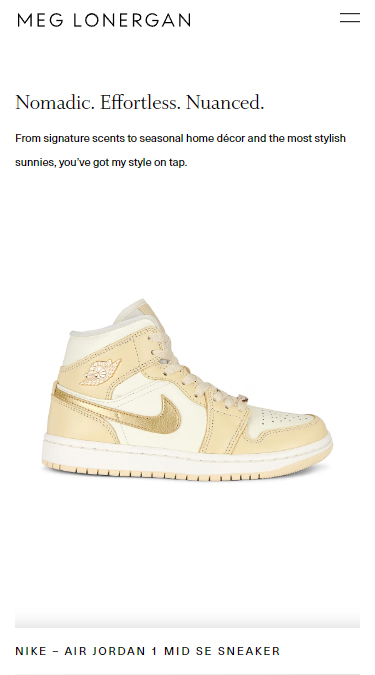
A significant share of Meg Lonergan’s traffic arrives on mobile via Instagram and social channels. Chainlink built a purpose-designed mobile experience for two distinct user types: prospective clients evaluating the portfolio, and social followers browsing style content and shop picks. The build ensures both audiences navigate to their intended outcome — inquiry or purchase — without friction, rather than landing in a desktop layout simply scaled down to fit a phone screen.
LikeToKnowIt (LTK) Affiliate Revenue Integration
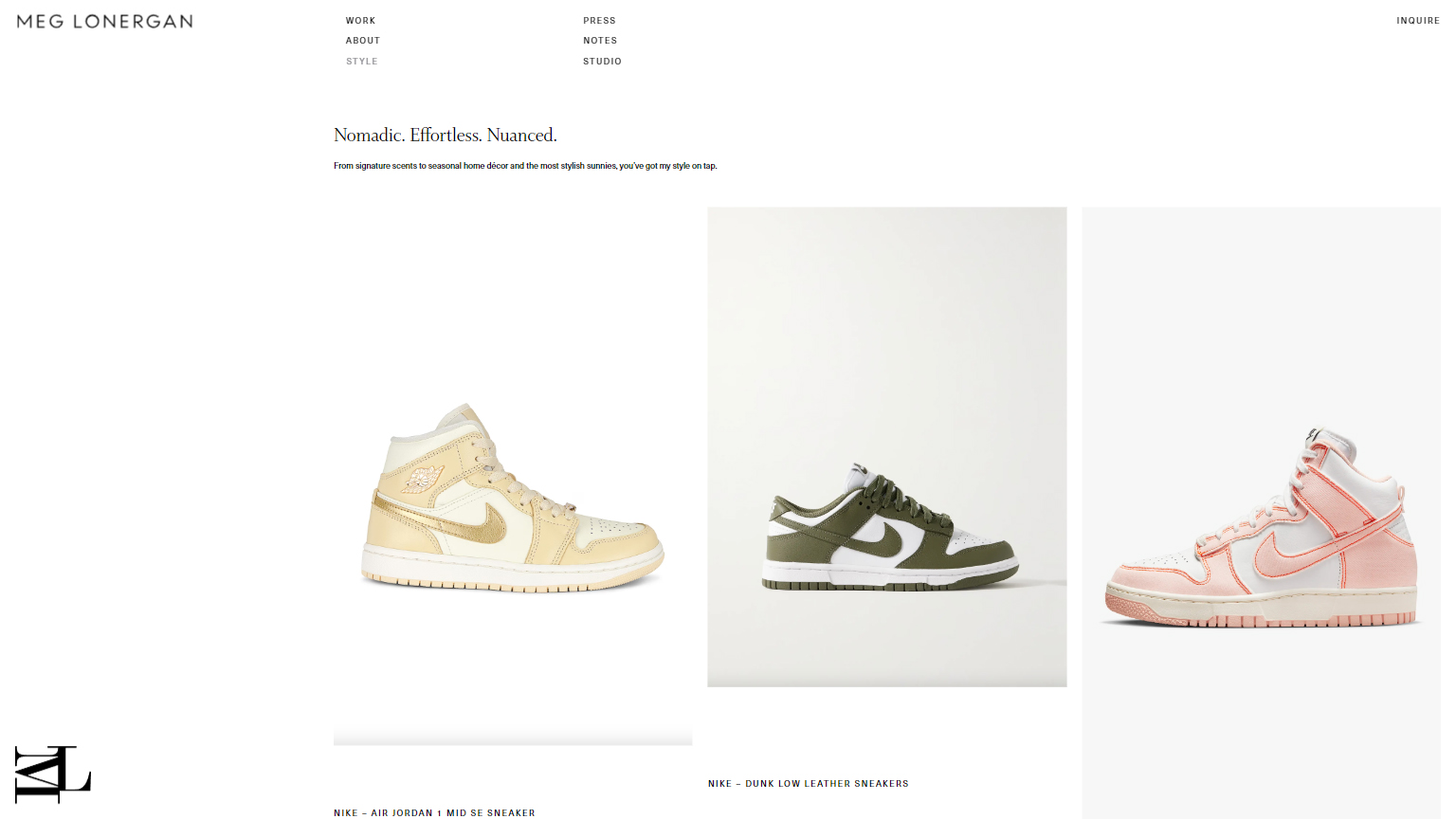
Chainlink built a custom WordPress plugin to integrate LikeToKnowIt (LTK) into the site, connecting Meg Lonergan’s social following to a shoppable content experience on her own domain. The plugin lets the team publish curated posts and collections with LTK cookie tracking, converting follower engagement into affiliate revenue — transforming the site into a monetized lifestyle platform alongside its core function as a luxury design portfolio.
Interior Designer Website Development: Common Questions
An interior design website should serve two core functions: converting prospective clients and reflecting the designer’s brand with precision. Essential elements include a curated portfolio with professional photography organized by project type, a clear articulation of the firm’s philosophy and process, and an inquiry form optimized for lead conversion. For nationally recognized firms, a press or accolades section adds credibility with high-intent visitors. Designers with an active social following should also consider a shoppable lifestyle content section — extending the site’s role beyond a static portfolio into an engagement and revenue platform.
Yes. LTK (formerly LikeToKnowIt) can be integrated into a WordPress website through a custom plugin that allows a designer to publish shoppable posts and curated collections with affiliate cookie tracking. For the Meg Lonergan Interiors website, Chainlink developed a modular plugin enabling the firm’s team to publish new curated content on a regular cadence, with LTK tracking converting follower engagement into affiliate revenue. This type of integration works best for designers with an established, engaged social audience and requires custom development rather than an off-the-shelf plugin.
The key is a modular CMS architecture — flexible content types and layout components that allow a non-technical team to add portfolio projects, publish posts, and update sections without writing code or requesting developer changes. For Meg Lonergan Interiors, Chainlink built a back-end structured around the firm’s actual workflow: a high-volume, visually driven content cadence that needed to stay brand-consistent regardless of who was making updates. The goal is a system where the marketing team operates independently after launch, and developer involvement is an option rather than a recurring requirement.
Social-driven mobile traffic behaves differently from search traffic. Visitors arriving from Instagram are typically already familiar with the designer’s aesthetic — they’re either evaluating a potential hire or browsing for style inspiration and product picks. Mobile-first development for this audience prioritizes fast load times, large imagery optimized for portrait orientation, and clear navigation pathways to both portfolio and shoppable content. For Meg Lonergan Interiors, Chainlink developed a distinct mobile experience tuned to two specific user intents, rather than adapting a desktop layout for a smaller screen.
Interior design website projects vary significantly in scope and investment. A portfolio-focused WordPress build without custom integrations typically starts in the $10,000–$25,000 range for development alone. Projects with custom integrations — such as LTK affiliate platforms, shoppable content features, or dedicated mobile development — are priced higher based on technical complexity. When design and development are handled by separate partners, each engagement is scoped independently. Contact Chainlink to discuss your interior design website project and receive an accurate estimate.
These two audiences have different intent when they land on the site. Prospective design clients want to evaluate the portfolio, understand the firm’s process, and find a clear path to inquiry. Social followers want current content, style inspiration, and easy access to shoppable recommendations. The solution is a site architecture that keeps these two content tracks distinct without splitting the experience — a unified design system with clearly differentiated navigation pathways. For Meg Lonergan Interiors, Chainlink structured the WordPress build to serve both tracks, with the LTK integration specifically designed for the social audience while the portfolio and process sections handle client acquisition.