
Restaurant Website Development for Celebrity Chef Restaurant Group Client: Meril Restaurant | New Orleans, LA
Project Role
Restaurant Website Development for Celebrity Chef Restaurant Group
- Restaurant Website Development
- Custom WordPress Development
- OpenTable Reservation Integration
- Dynamic Menu Management System
- Takeout & Online Ordering Integration
- On-Site SEO Optimization
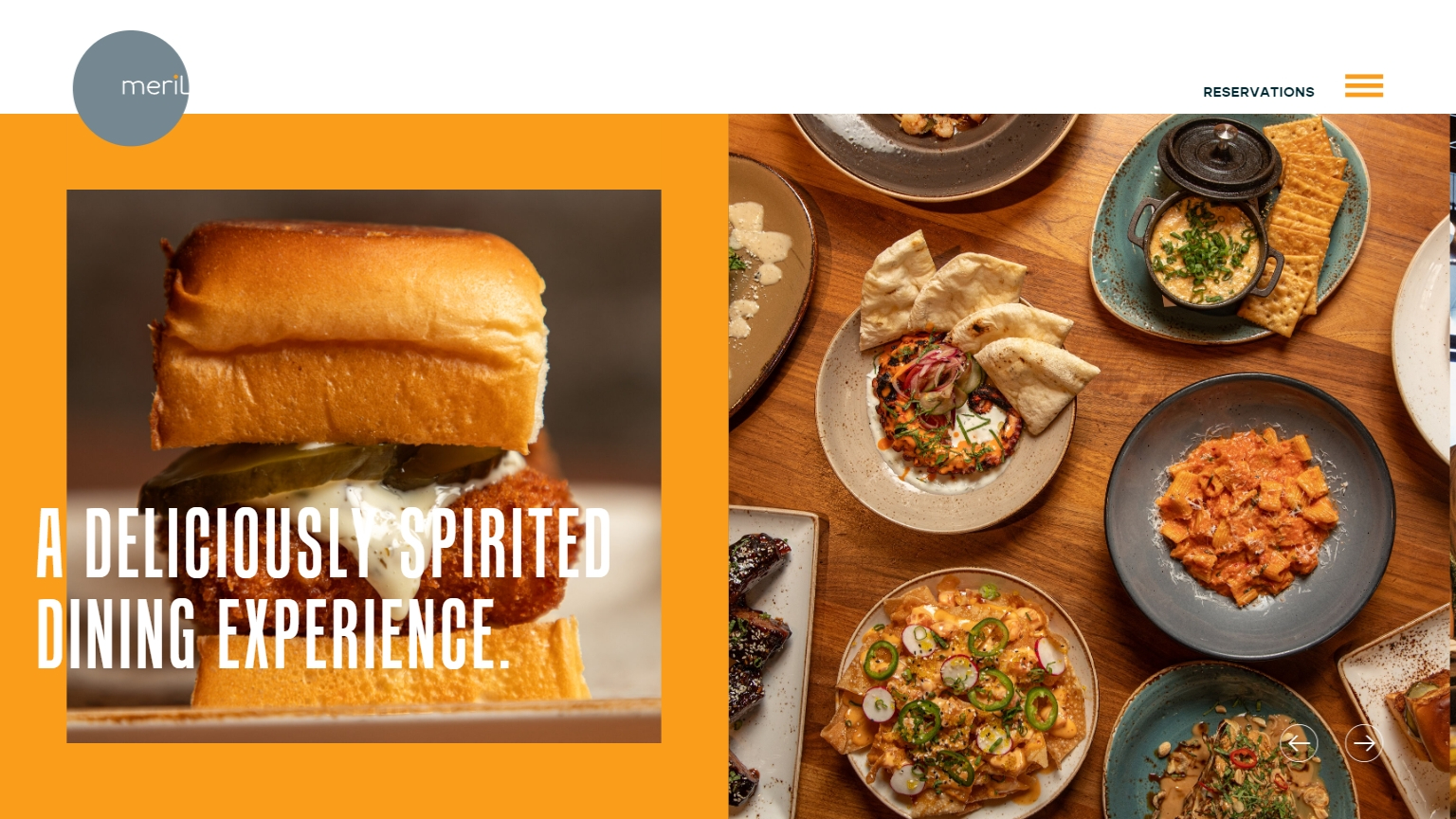
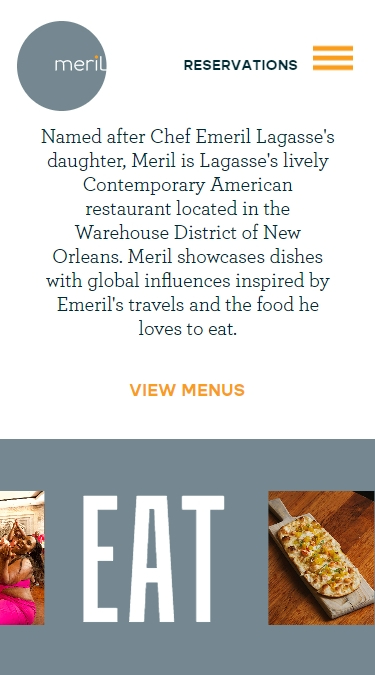
Meril is the most energetic concept in Emeril Lagasse’s New Orleans restaurant portfolio, a Contemporary American restaurant in the city’s Warehouse District named after the celebrity chef’s own daughter. As part of a comprehensive rebranding effort across The Emeril Group’s digital properties, Meril needed a website that matched the restaurant’s lively, globally-influenced character while serving guests’ practical needs: making reservations, browsing rotating menus, and discovering what’s on this week. With a loyal local following and growing recognition as one of New Orleans’ standout dining destinations, a polished, high-functioning digital presence was essential to sustaining that momentum.
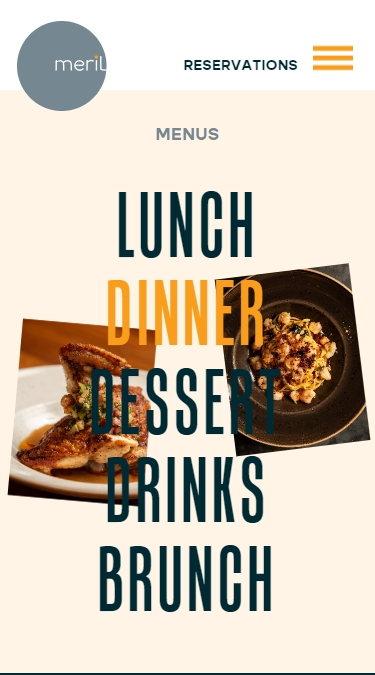
Chainlink handled all development for Meril’s relaunched website, partnering with New Orleans-based design agency Neiter Creative, who led the visual identity and UX design. On the development side, Chainlink built a fully custom WordPress architecture with a modular backend designed to be maintained by Meril’s marketing team without ongoing developer involvement. Key integrations include OpenTable for live reservation management, meril.menu for takeout ordering, ADP for career recruitment, and an Instagram feed embedded on the homepage. The site also supports multiple independently managed menu types — Lunch & Dinner, Brunch, Dessert, and Happy Hour — each updated without touching code.
The result is a restaurant website that functions as a true operational tool. Meril’s marketing team can update menus, publish event programming, manage staff profiles, and push specials in real time. For guests, the experience reflects the energy of the restaurant itself: visually animated, easy to navigate on any device, and consistently current. The site serves diners across multiple touchpoints — from the first-time visitor looking up hours to the local regular scanning for weekend brunch specials — and drives direct revenue through integrated reservation and ordering pathways woven throughout every section.
Challenge & Solution
The Challenge
The Solution
Custom WordPress Restaurant Content System
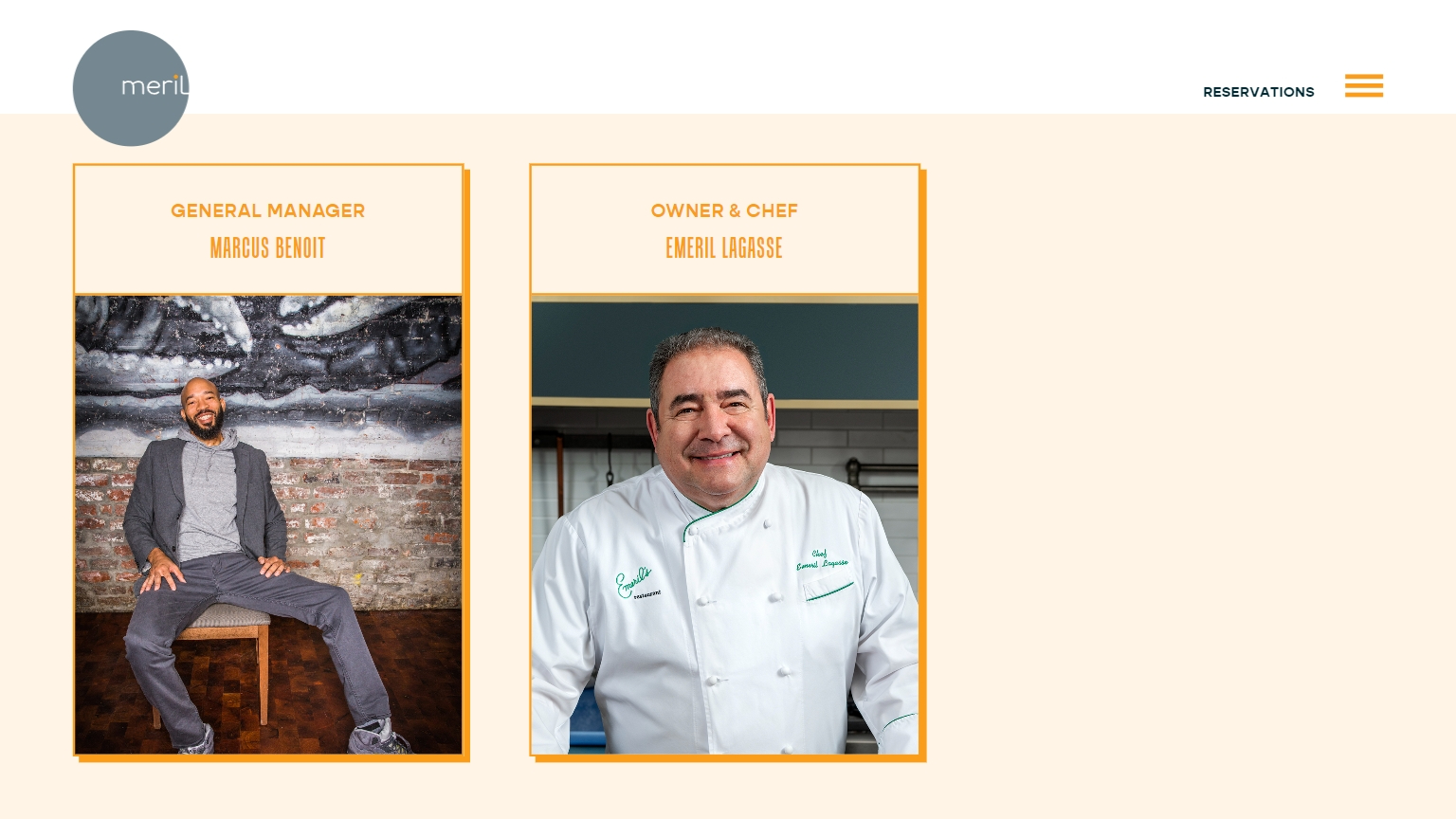
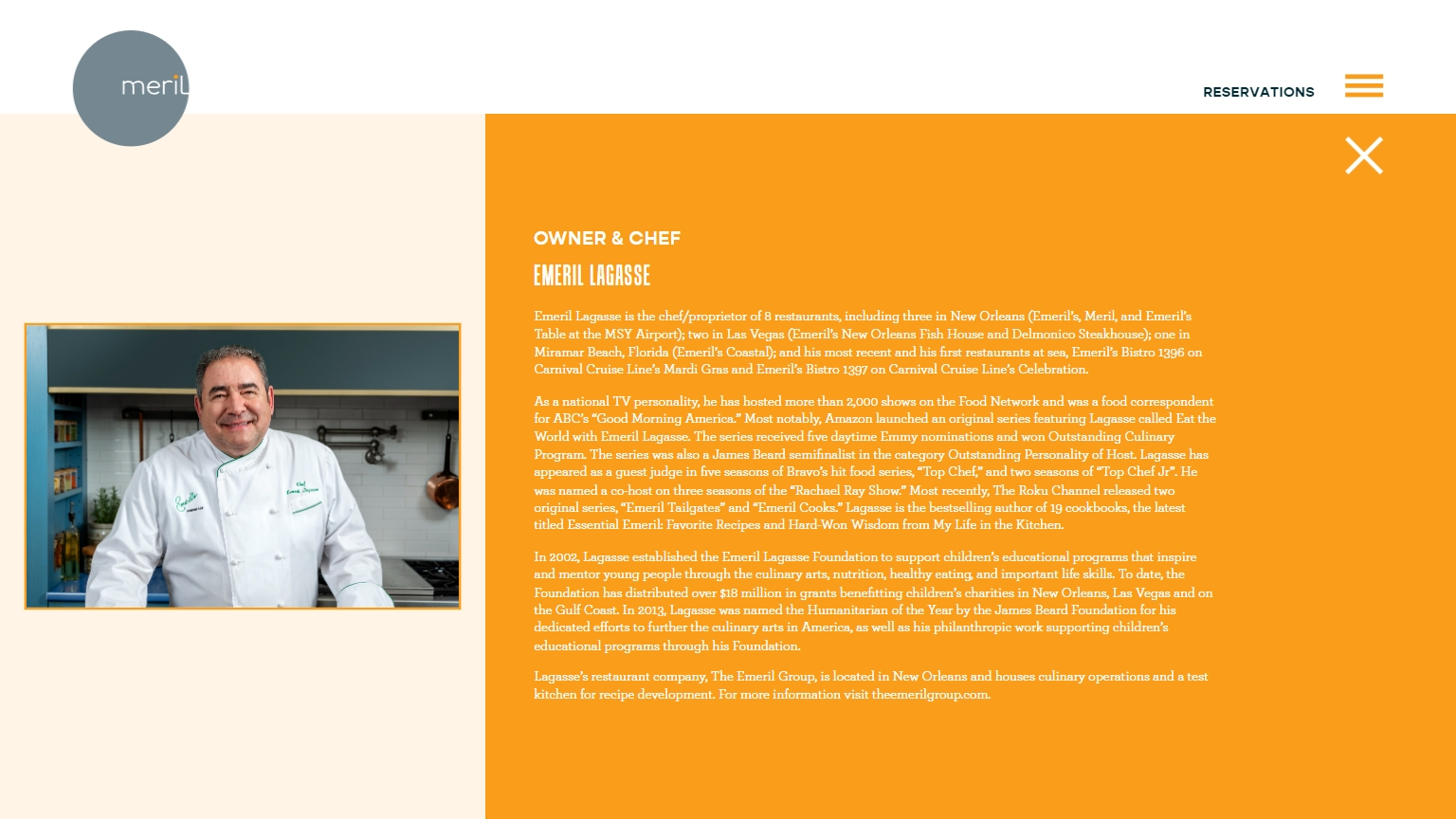
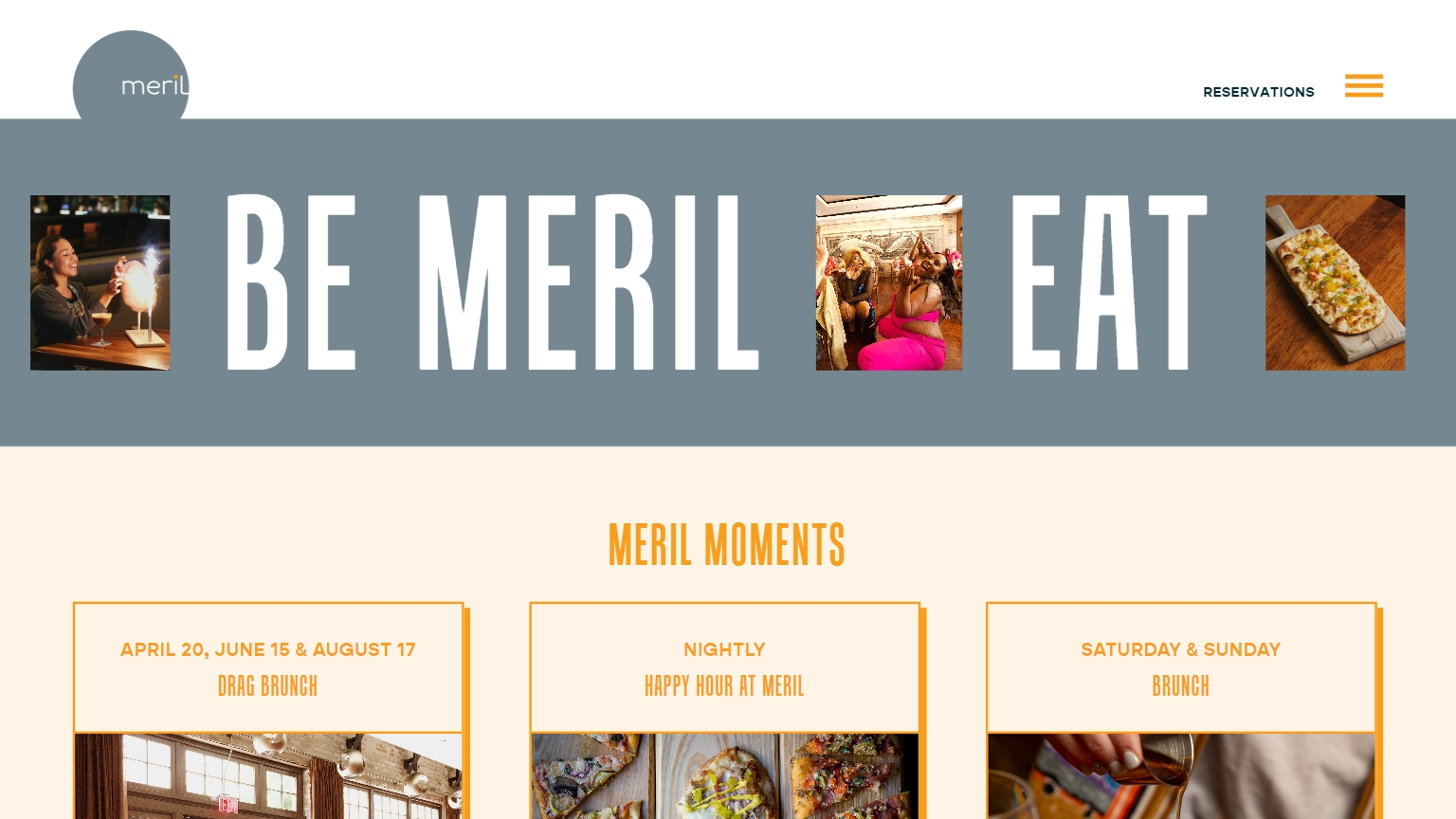
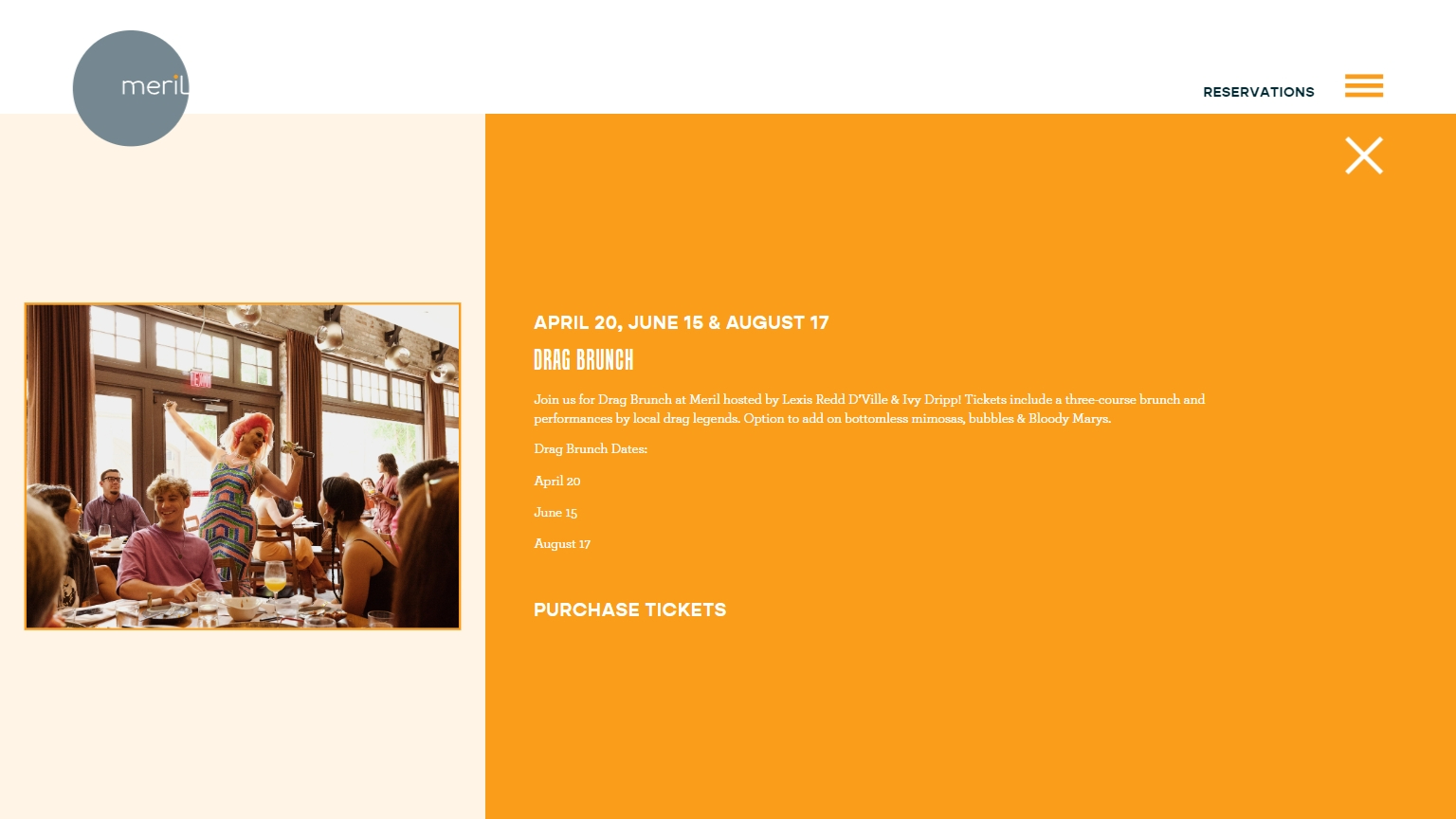
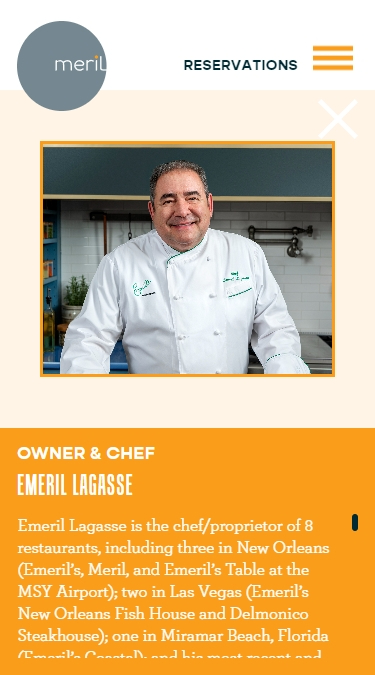
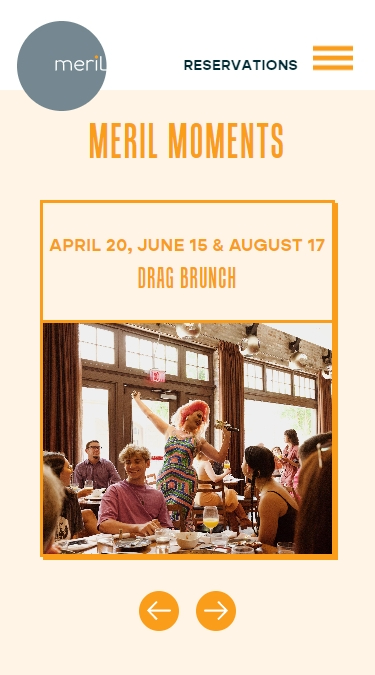
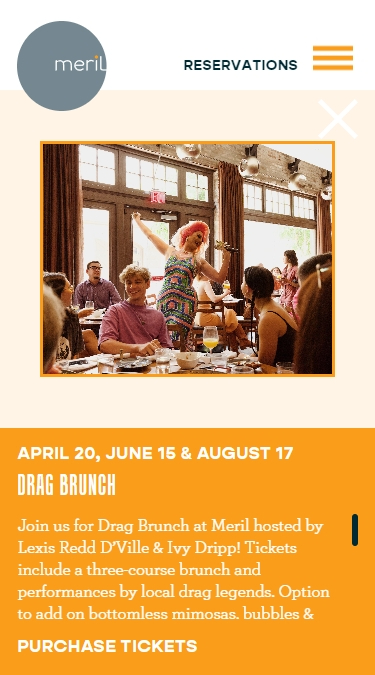
Chainlink built a modular WordPress backend giving Meril’s marketing team direct control over all time-sensitive restaurant content. Staff profiles, rotating specials, and event announcements can each be updated independently without developer involvement. For a high-volume New Orleans restaurant operating across lunch, dinner, brunch, and late-night service, this content infrastructure keeps the site accurate and the business moving without a support ticket in sight.
Mobile-Responsive Restaurant User Experience
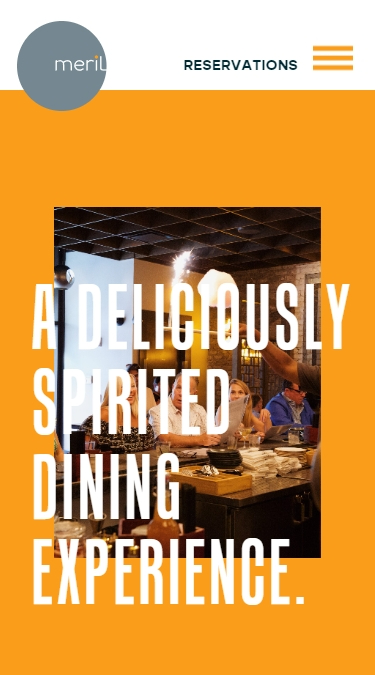
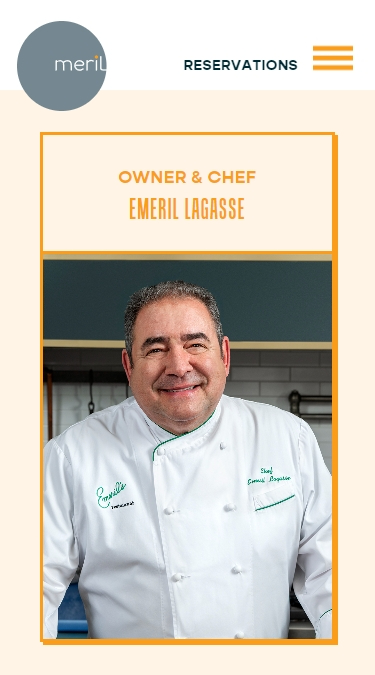
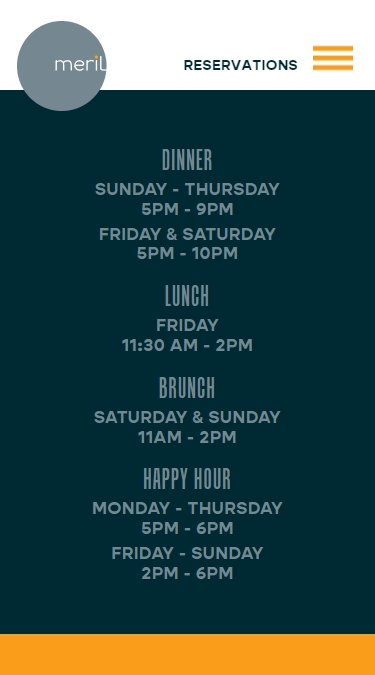
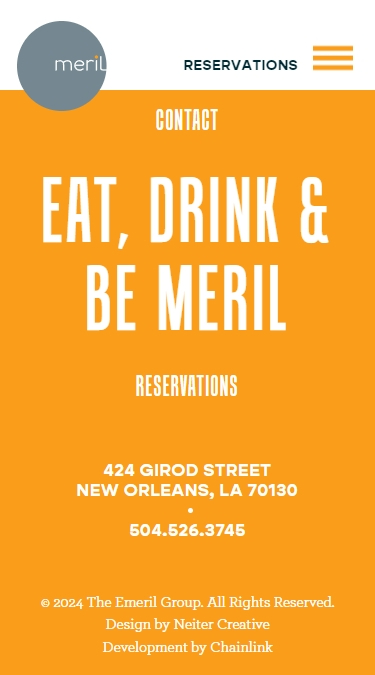
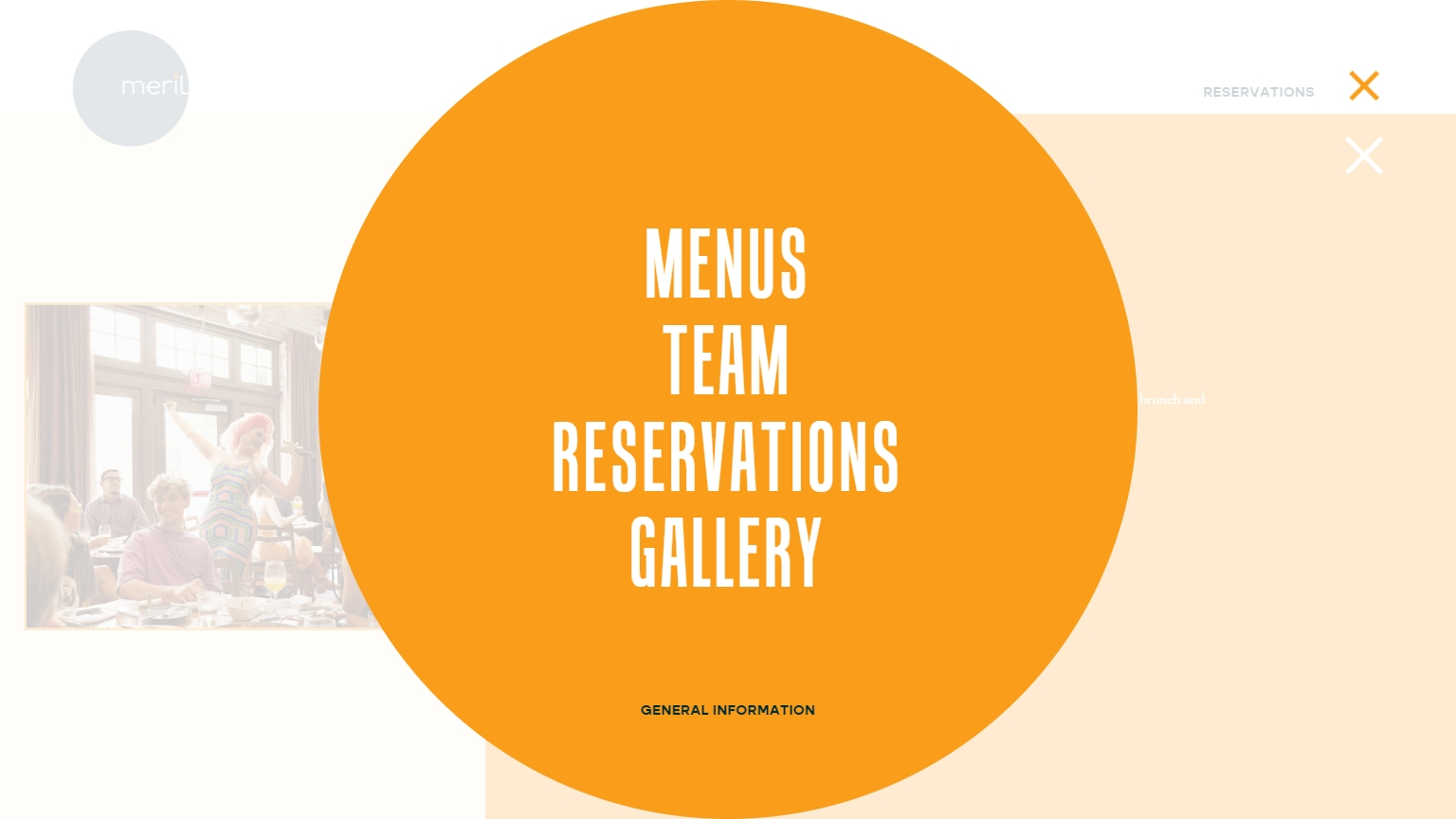
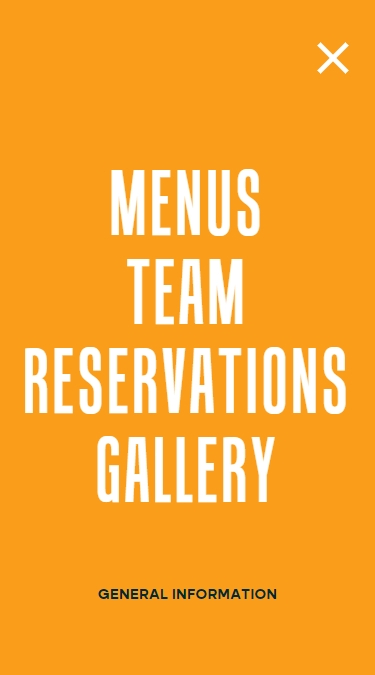
Meril’s mobile experience was re-engineered to serve the way guests actually use restaurant websites: quickly, on a phone, in the moment. Users can browse menus, check hours, access the full drinks list, and reach OpenTable reservations without friction. Built with minimal page reloads and intuitive tap targets, the mobile site ensures a first-time visitor on a phone has the same quality experience as a desktop user planning a night out in advance.
Dynamic Restaurant Menu Management System
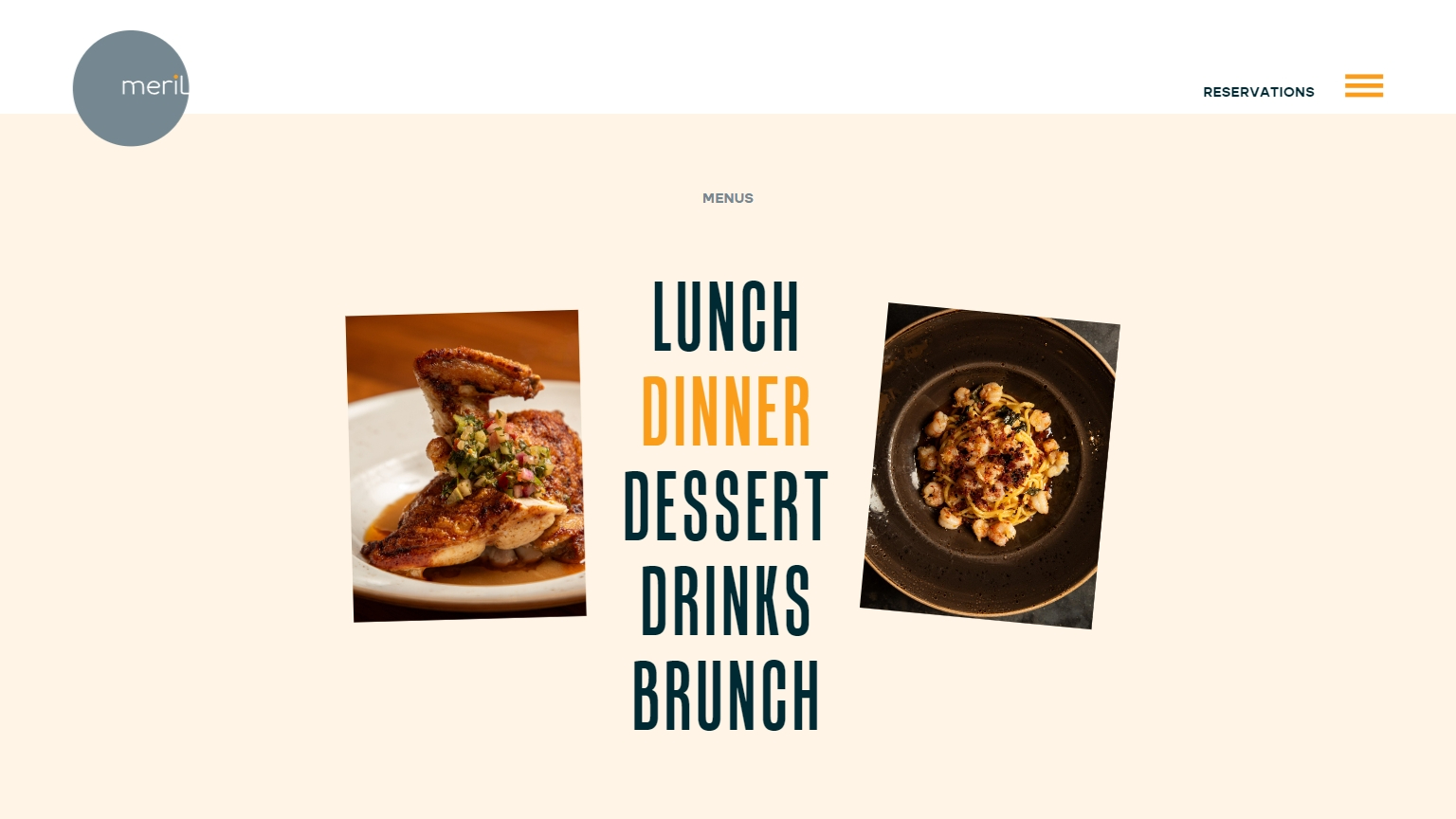
Meril runs distinct menus for lunch, dinner, brunch, dessert, and happy hour and each updated regularly as the kitchen evolves. Chainlink built a menu management system that lets the team swap PDFs and update menu content independently without touching code. Prospective diners browsing before a visit always see the current menu, which reduces inquiry calls and keeps the restaurant’s digital presence as fresh as what’s coming out of the kitchen.
Restaurant Website Development: Common Questions
A restaurant website should include clear navigation to menus, an integrated reservation system, online ordering options, and an events or specials section. Mobile responsiveness is non-negotiable — the majority of restaurant website traffic arrives from phones, often in real time. For multi-occasion restaurants operating across lunch, dinner, brunch, and late-night programming, the site should support distinct, independently managed content sections for each dining experience. Staff profiles, a gallery, and an embedded social feed round out the full picture for guests doing their research before visiting.
OpenTable can be integrated into a restaurant website at multiple touchpoints — in the header navigation, on dedicated reservation pages, within menu pages, and throughout event or promotional sections. The most effective approach is embedding booking CTAs wherever a guest is likely to decide to visit, rather than routing everyone through a single reservations page. On the Meril restaurant website, OpenTable is accessible from every major section of the site, reducing the distance between browsing and booking a table at one of New Orleans’ most popular dining destinations.
Rotating menus are one of the most common pain points for restaurant websites built on generic templates — once the developer hands off the site, menu updates often require support tickets and delays. Chainlink builds modular menu management systems into every restaurant WordPress build, allowing marketing teams to upload new PDFs, update item descriptions, and swap menu categories without any development work. On the Meril website, this system independently manages distinct menus for lunch, dinner, brunch, dessert, and happy hour, all updated by the restaurant’s own marketing team.
Restaurant website development costs vary based on the scope of integrations, the number of menus and content sections, and whether design work is included. A custom WordPress restaurant site with third-party integrations like OpenTable and online ordering typically ranges from $20,000 to $35,000 or more depending on complexity. Projects involving a full custom WordPress build, multiple platform integrations, and a modular content management system developed alongside a design agency partner sit toward the higher end of that range. Contact Chainlink to discuss a scope and estimate for your specific project.
WordPress is the most widely used CMS for restaurant websites because of its flexibility, plugin ecosystem, and the ease with which non-technical teams can manage content ongoing. For restaurants with multiple rotating menus, event programming, and regular specials, WordPress allows for a fully custom content architecture built to fit the specific operational needs of the business. Chainlink builds all restaurant websites on WordPress, with custom field structures and modular page templates designed to be maintained by in-house marketing teams without ongoing developer support after launch.